How to Host a Backyard Cookout Without Spending All Day at the Grill
The saddest sight of summer is a host chained to the grill while everyone else laughs in the shade. I spent years missing my own parties, flipping burgers alone while the conversation happened forty feet away. It took embarrassingly long to realize the problem was my plan, not my guests. A great cookout is designed so the cooking mostly finishes before anyone arrives. The fixes below let you serve a full spread and still sit down with a cold drink. You can host and attend the same party; let me show you how.
Plan a Backyard Cookout Menu That Cooks Ahead
The menu decides your fate before the coals ever light. Choose foods that demand constant flipping and you have scheduled yourself a shift of hot, lonely labor. Choose dishes that cook ahead, hold well, or finish fast, and the party runs itself. Every choice below trades grill minutes for guest minutes. This is where the day is won.
Choose Make-Ahead Mains for a Backyard Cookout Menu
Slow cooked meats are the ultimate host-friendly mains. Pulled pork, brisket, and ribs finish hours before guests arrive and only improve as they rest. I cook pork shoulder the night before, shred it in the morning, and hold it in a low oven or slow cooker. Guests get smoky, tender meat; I get my afternoon back.
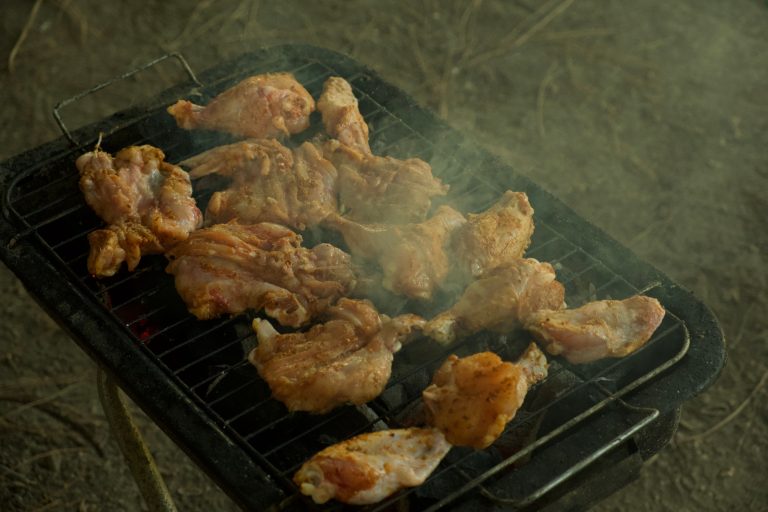
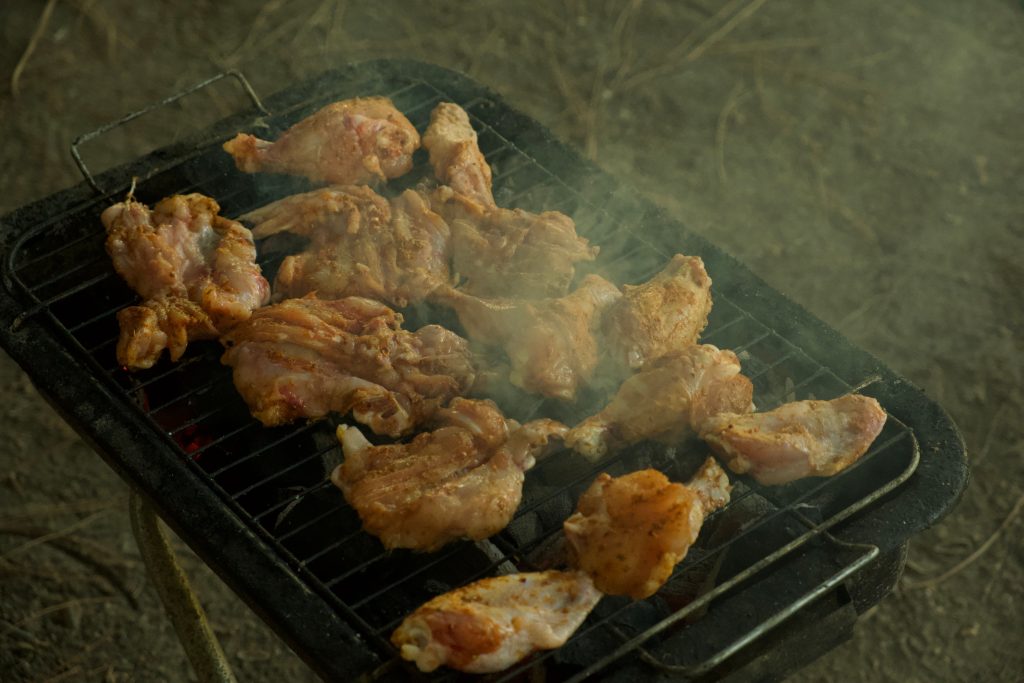
Marinated proteins are the next best category. Chicken thighs soaked overnight need only twelve minutes of grill time, and thighs forgive a distracted cook far better than breasts. Skewers work the same way; assemble them in the morning and refrigerate. Everything hits the grate in one quick, organized round.
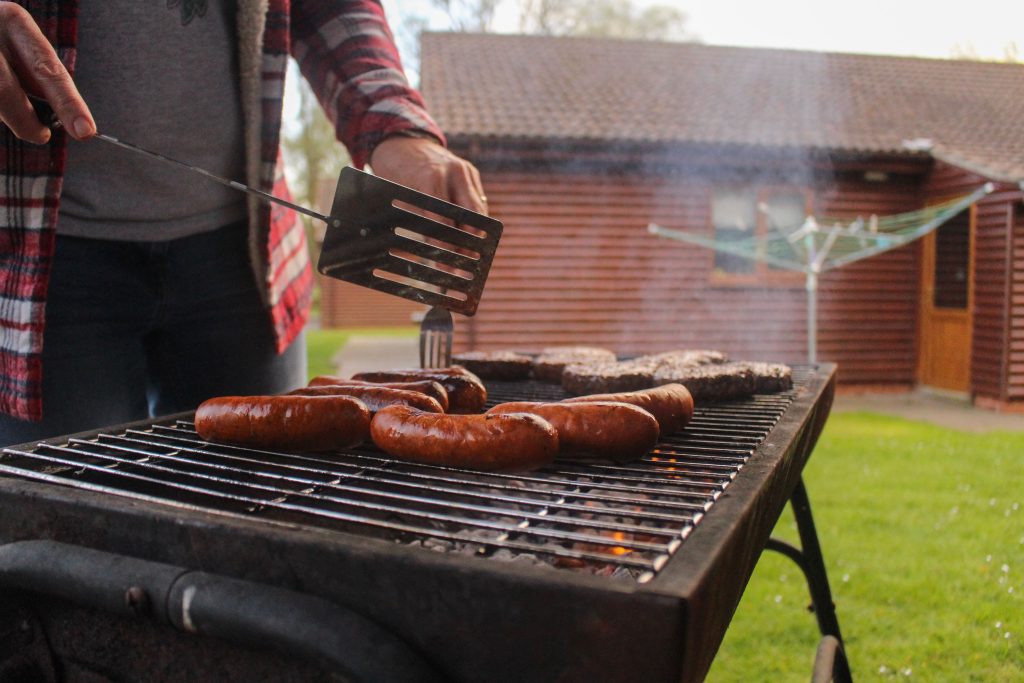
Burgers and hot dogs can stay, with one adjustment. Form patties the night before, stack them between parchment squares, and season just before cooking. Grill everything in a single focused batch instead of cooking to order all afternoon. A sheet pan of finished burgers in a warm oven holds beautifully for thirty minutes.
Build a Backyard Cookout Menu Around Room Temperature Sides
The best cookout sides taste great without being hot, and that is a superpower. Pasta salad, slaw, bean salads, and grain bowls all peak at room temperature. Make them the day before; most actually improve overnight in the fridge. Pull them out thirty minutes before serving and you are done.
Skip the sides that create timing stress. Anything that must be served piping hot forces you back into the kitchen at the worst moment. Corn is the exception because it holds so well; cook it, cut the heat, and leave it in the covered pot for up to thirty minutes. If you need a crowd favorite, click here for my creamy no-mayo coleslaw recipe.
Round out the table with zero-cook items. Watermelon wedges, chips, pickles, and a tomato platter with flaky salt require assembly, not cooking. Guests devour them while you handle nothing. A generous spread of cold food buys the grill all the time it needs.
Simplify Drinks and Dessert on a Backyard Cookout Menu
Batch drinks or no drinks; those are your options as a sane host. A big dispenser of lemonade, sweet tea, or a simple punch serves fifty cups with zero effort per cup. Playing bartender is the same trap as playing short-order cook. Set out a bucket of ice, stack the cups, and point.
A cooler of self-serve cans finishes the job. Fill it early so everything is cold by the first arrival. Guests grab their own without asking you where anything is. Signage feels silly and works wonders.
Dessert should require no oven and no timing. Sliced peaches over store-bought pound cake, brownies baked yesterday, or an ice cream sandwich box from the freezer all land perfectly. Nobody remembers a fussy dessert at a cookout. They remember that you were there to eat it with them.
Set Up Your Backyard Cookout to Run Itself
A cookout with a smart setup keeps guests fed, watered, and happy without your constant attention. Most host stress comes from being the only person who knows where anything is. Good stations answer questions before they get asked. One hour of setup eliminates four hours of hovering. Here is the layout that works every time.
Create a Self-Serve Station for Your Backyard Cookout
Put everything guests need in one obvious flow: plates, food, toppings, utensils, napkins. People should be able to build a full plate without asking a single question. Position the station away from the grill so traffic never crowds the cook. A separate small table for kids’ items keeps little hands moving.
Set out every topping and condiment in advance. Sliced cheese, lettuce, tomato, onions, pickles, and all the sauces go in bowls with serving spoons before anyone arrives. Burger assembly becomes the guest’s job, not yours. This one move cuts your workload at serving time to almost nothing.
Think through the boring logistics once so they never interrupt you. A visible trash can, a recycling bin, and a stack of extra napkins prevent the three most common host interruptions. Paper towels on the table save trips inside. Every question you answer with setup is a question nobody asks you later.
Use a Two-Zone Grill Setup at Your Backyard Cookout
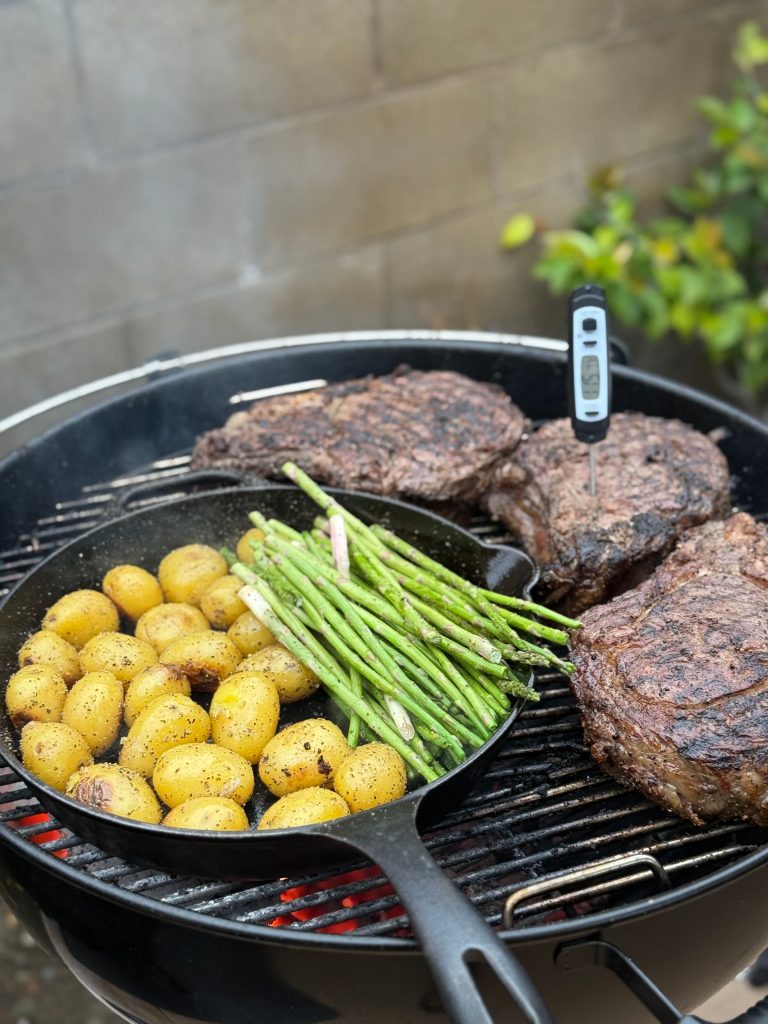
Two-zone fire is the host’s best friend at a party. Bank the coals to one side, or light half the burners, so you have a hot zone for cooking and a cool zone for holding. Finished food waits safely on the cool side, staying warm without overcooking. You stop being a hostage to perfect timing.
Batch your grilling into one or two focused sessions instead of grazing all afternoon. Cook everything in a concentrated thirty minutes, hold it warm, and announce that food is ready. Cooking to order sounds generous and ruins your party. If the two-zone method is new to you, click here for my two-zone grilling guide.
Prep your grill station like a tiny restaurant. Tongs, a clean platter, a thermometer, and a drink all within reach before you start. Every trip inside for a forgotten tool is five minutes of burned food risk. Set up once, cook once, sit down.
Prepare Your Backyard Cookout Space the Day Before
Do every possible task the day before, because party day always shrinks. Set up tables and chairs, arrange coolers, and check propane or charcoal supplies. Shop for ice in the morning, not at noon when everyone else wants it. The goal is a morning of small finishes, not a scramble.
Shade and seating matter more than decorations. July sun drives guests indoors faster than anything, so position tables under trees or umbrellas. A few extra folding chairs in the garage prevent the awkward standing shuffle. Comfortable guests stay longer and need less from you.
Plan for bugs and heat before they arrive. Citronella candles, a fan on the porch, and cold water within reach solve most complaints. Cover food with mesh domes between servings. Small comforts keep the party outside where it belongs.
Enjoying Your Own Backyard Cookout as the Host
The final skill is behavioral, and it is the hardest one: actually stopping. Everything above only pays off if you let the systems work instead of hovering over them. Guests came to see you, not to grade the burgers. A relaxed host makes a relaxed party; the food is secondary. Here is how I force myself to sit down.
Timing a Backyard Cookout So the Host Can Relax
Work backward from the eating time and write down three checkpoints. Sides done by noon, grill lit by two, food served at three. A simple timeline on the fridge stops the constant mental math.
Build a buffer into everything. If ribs need four hours, start them five hours ahead; held meat beats late meat every time. Nothing on your timeline should depend on perfection.
Announce a loose eating window instead of a strict dinner bell. Cookouts want to graze, not sit at attention. A window forgives late guests and late coals equally.
Delegating at a Backyard Cookout Without Feeling Guilty
People genuinely want to help, so let them. When someone asks what to bring, give a real answer: ice, a bag of chips, a watermelon. Guests feel invested and your list gets shorter.
Hand off the roles that steal your attention. A friend can manage the drink cooler; a teenager can run the music. Small jobs make people feel like part of the party.
Never refuse cleanup help out of politeness. Accept the offer, hand over a trash bag, and keep talking while you both work. Shared cleanup is where the best conversations happen anyway.
Keeping Backyard Cookout Food Safe in Summer Heat
Cold food needs to stay cold, especially anything with mayo or dairy. Nest serving bowls in larger bowls of ice. Two hours in the heat is the limit; one hour when it is above 90°F.
Hot food is simpler: serve it, then cover it. Foil over platters holds warmth and keeps flies off. Put out reasonable portions and refill from inside rather than parking everything in the sun.
Keep raw and cooked meat strictly separated. Use two platters and two sets of tongs, always. A clean plate for finished burgers is the cheapest insurance a cookout has. If you want a make-ahead main that skips these worries, click here for my overnight pulled pork recipe.