Why Your Roasted Vegetables Turn Out Soggy Instead of Crispy
Soggy roasted vegetables break my heart every single time. You chop beautiful summer zucchini, bell peppers, and squash, toss them with olive oil, and pull a steamed, limp mess out of the oven forty minutes later. I have been there, and I promise the problem is not your vegetables or your skill level. Crispy, caramelized edges come from a handful of simple habits that most home cooks were never taught. Once I learned how moisture, heat, and pan space work together, my roasted vegetables changed forever. Let me walk you through exactly what is going wrong and how to fix it tonight.
Common Reasons Roasted Vegetables Get Soggy in the Oven
Sogginess almost always comes down to trapped steam. Vegetables are mostly water; when that water cannot escape quickly, it pools around each piece and steams it instead of roasting it. The three biggest culprits I see are crowded pans, oven temperatures set too low, and wet vegetables going into the oven. Each one traps moisture in a slightly different way, and stacking two or three of these mistakes together guarantees a limp result. The good news is that every single cause has an easy fix.
Overcrowding the Pan Makes Roasted Vegetables Soggy
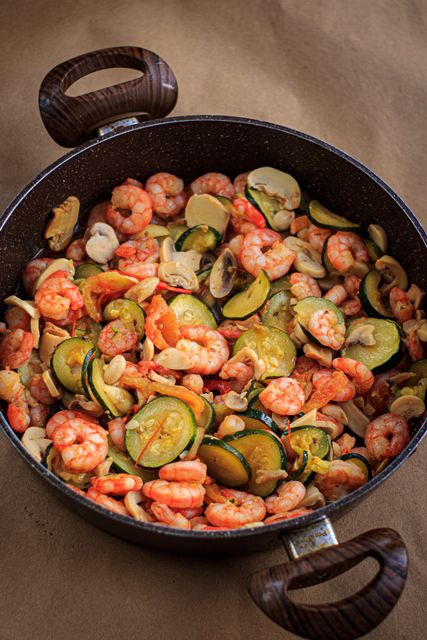
Overcrowding is the number one reason roasted vegetables turn out soggy, and I say that with total confidence. When vegetables touch or pile on top of each other, the steam they release has nowhere to go. That trapped steam creates a humid little climate right on your sheet pan. Instead of browning, your zucchini and peppers essentially poach in their own moisture. Browning cannot happen on a wet surface, so you lose all that deep, sweet flavor.
The fix is simple, though it requires a little discipline. Spread your vegetables in a single layer with visible space between every piece. I tell my students that the pan should look almost too empty. If you can see plenty of bare metal peeking through, you are doing it right. Air needs to circulate around each piece so moisture evaporates the second it appears.
Use two sheet pans instead of cramming everything onto one. Most home ovens fit two pans comfortably on separate racks, and you can rotate them halfway through cooking. Yes, it means washing an extra pan, but the payoff is golden, crisp edges on every piece. I would rather scrub one more pan than eat steamed squash. Give your vegetables room to breathe and they will reward you.
Low Oven Temperature Makes Roasted Vegetables Soggy
Roasting demands real heat, and this is where so many home cooks go wrong. An oven set at 350 degrees Fahrenheit evaporates moisture slowly, which gives vegetables time to soften and collapse before they ever brown. I roast almost all vegetables at 425 to 450 degrees. That aggressive heat drives off surface moisture fast and kickstarts the Maillard reaction, the chemical process responsible for browning and deep flavor. High heat is your best friend here.
Preheating matters just as much as the temperature itself. Sliding a pan of vegetables into a cold or half heated oven means they sit and sweat while the oven climbs. Give your oven a full 15 to 20 minutes to reach temperature before anything goes in. I also like to preheat the empty sheet pan right along with the oven. Vegetables that hit hot metal start searing immediately instead of slowly releasing water.
Resist the urge to open the oven door repeatedly. Every peek drops the temperature by 25 degrees or more, and recovery takes several minutes. Check your vegetables once at the halfway mark, give them a quick flip, and close that door. Trust the process and the heat. If you want to see this method in action on a full dinner, click here for my crispy sheet pan chicken and summer vegetables recipe.
How to Make Roasted Vegetables Crispy Every Time
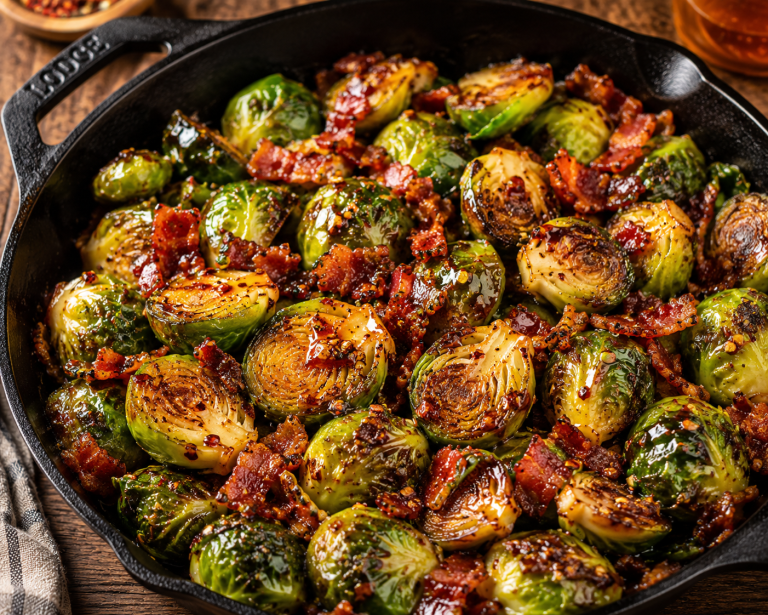
Crispy roasted vegetables follow a repeatable formula, and I use it year round. Dry the vegetables thoroughly, cut them evenly, coat them in enough oil, season with salt at the right moment, and roast them hot with plenty of space. Summer is honestly the perfect season to practice because farmers market zucchini, eggplant, and peppers are cheap and abundant right now. Master the routine on inexpensive July produce and you will carry the skill into fall squash season. Here are the two steps that make the biggest difference.
Drying Vegetables Properly for Crispy Roasted Vegetables
Water is the enemy of crispiness, so drying comes first. After washing your vegetables, pat every single piece with a clean kitchen towel or paper towels until the surface feels dry to the touch. This step feels tedious, but surface water must evaporate before browning can even begin. Skipping it adds ten minutes of steaming time to your roast. Those ten minutes are exactly when vegetables go limp.
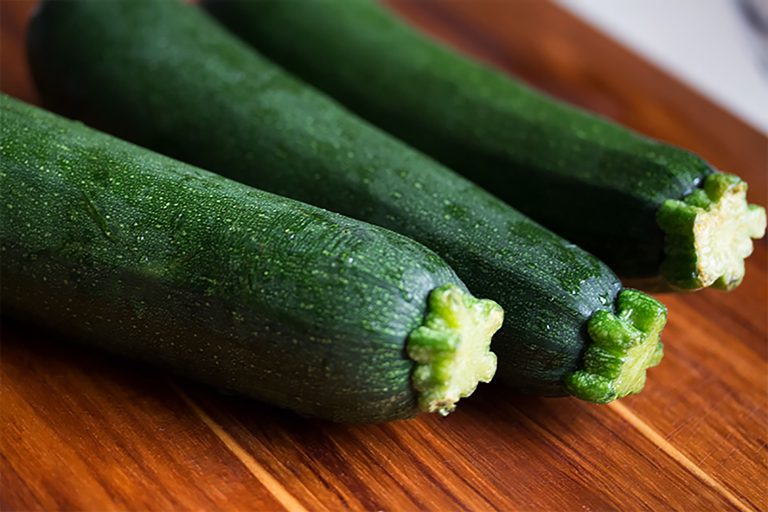
Watery summer vegetables like zucchini and eggplant benefit from a quick salting session. I slice them, sprinkle them lightly with kosher salt, and let them sit in a colander for 20 to 30 minutes. The salt pulls out excess internal moisture, which beads up on the surface. Pat that liquid away and you have a vegetable primed for serious browning. This one trick transformed my zucchini game completely.
Frozen vegetables need special handling since they carry ice crystals. Never thaw them on the counter into a puddle; roast them straight from frozen on a preheated pan at 450 degrees. The hot metal flashes off the surface ice before the interior turns mushy. It is not quite farmers market quality, but it beats soggy every time. Dry surfaces brown, wet surfaces steam, and that rule never changes.
Using Oil and Salt Correctly for Crispy Roasted Vegetables
Oil does more than prevent sticking; it conducts heat directly onto the vegetable surface and promotes even browning. Skimping on oil leaves dry, leathery patches, while drowning vegetables makes them greasy and heavy. I use about one tablespoon of olive oil or avocado oil per pound of vegetables. Toss everything in a large bowl with your hands until every piece glistens lightly. Your hands coat far more evenly than a spoon ever will.
Salt timing is a detail most recipes never mention. Salting too early draws moisture to the surface, and that moisture undoes all your careful drying. For dense vegetables like carrots, potatoes, and broccoli, I salt right before the pan goes in the oven. For extremely watery vegetables, I salt ahead as a drying tool, pat them dry, then season again lightly at the end. Understanding the difference puts you in control.
Finish smart and your vegetables taste restaurant worthy. Delicate seasonings like garlic powder, dried herbs, and parmesan burn at high heat, so I add them during the last five to ten minutes of roasting. A splash of lemon juice or balsamic vinegar after roasting brightens everything without adding sogginess. Fresh herbs go on at the table, never in the oven. Craving a flavor packed example? Click here for my garlic parmesan roasted broccoli recipe.
Bringing Crispy Roasted Vegetables Into Your Weekly Cooking
Crispy roasted vegetables should feel automatic, not like a special occasion project. The habits are simple: dry your produce, cut evenly, oil lightly, spread pieces out, and roast hot. Practice them a few times and your hands will remember the routine without thinking. Summer gives you months of gorgeous, affordable produce to build the muscle memory. Let me show you how I fold this into real weeknight life.
Weeknight Routines for Crispy Roasted Vegetables
I prep vegetables on Sunday so weeknights stay easy. Washed, thoroughly dried, and chopped vegetables keep beautifully in the refrigerator for three or four days. Store them with a paper towel in the container to absorb lingering moisture. Dinner then becomes a five minute toss and a hot oven.
Roast vegetables while your main dish cooks on the stovetop. A 425 degree oven handles peppers and zucchini in about 20 minutes, right in line with most proteins. This timing turns one burner and one oven rack into a complete meal. Need pairing ideas? Click here for my 30 minute lemon herb chicken thighs recipe.
Leftover roasted vegetables deserve better than the microwave, which steams them soggy all over again. Reheat them in a 400 degree oven or a dry skillet for five minutes to revive the crisp edges. Cold leftovers are also fantastic tossed into salads and grain bowls. Nothing goes to waste in my kitchen.
Building Confidence With Crispy Roasted Vegetables
Start with forgiving vegetables while you build the habit. Broccoli, cauliflower, and carrots brown easily and tolerate small mistakes. Save tricky, watery vegetables like eggplant for week two. Early wins keep you motivated.
Trust your eyes and nose over the clock. Ovens vary wildly, so look for deep golden edges and a sweet, toasty aroma. Pull one piece out and taste it; a crisp exterior with a tender center means you nailed it. Your senses are more reliable than any timer.
Every soggy batch teaches you something specific, so do not get discouraged. Ask yourself if the pan was crowded, the oven too cool, or the vegetables still wet. Adjust one variable and roast again tomorrow. Crispy vegetables are a skill, and you are already on your way.