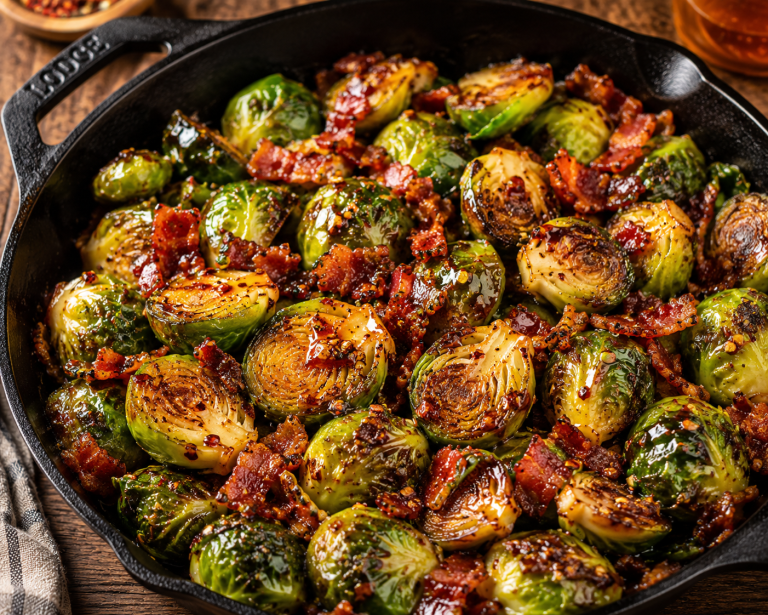
One-Pan Dinners That Save Your Weeknights When the Days Get Shorter
The days are already getting shorter now that we have passed the solstice, and I can feel my evenings tightening up. Dinner needs to happen fast, taste great, and leave me with almost nothing to wash. That is exactly why one-pan dinners have become my weeknight lifeline. A single sheet pan or skillet can hold a complete meal with protein, vegetables, and big flavor. I want to show you how I build these meals so they work every single night. Once you learn the method, you will never stare into the fridge at 6 p.m. feeling stuck again.
Sheet Pan Dinners for Busy Weeknights
Sheet pan dinners are my favorite entry point into one-pan cooking because the oven does the heavy lifting. You spread everything on a rimmed baking sheet, roast it at high heat, and dinner appears while you help with homework or fold laundry. The dry heat of the oven caramelizes vegetables and crisps up proteins in a way a pot of boiling water never could. I reach for a heavy half sheet pan, which resists warping and browns food evenly. Master this one tool and your weeknights get dramatically easier.
Best Proteins for Sheet Pan Dinners on Busy Weeknights
Chicken thighs are the protein I recommend to every home cook starting with sheet pan dinners. They stay juicy at high oven temperatures, and the skin crisps beautifully around 425 degrees Fahrenheit. Boneless thighs cook in about 20 to 25 minutes, which matches the roasting time of most chopped vegetables. That timing overlap is the secret to a true one-pan meal. Everything finishes together, and nothing sits around getting cold.
Salmon fillets are my second choice, though they play by different rules. Fish cooks fast, usually in 10 to 12 minutes, so I start my vegetables first and add the salmon partway through. This staggered approach keeps the fish tender while the potatoes or broccoli get fully roasted. A quick brush of olive oil and a sprinkle of salt is all salmon really needs. If you want a full walkthrough of this method, click here for my step-by-step sheet pan salmon and asparagus recipe.
Sausages might be the easiest sheet pan protein of all. They come pre-seasoned, they release flavorful fat as they roast, and that fat bastes every vegetable on the pan. I slice them into coins for faster cooking or leave them whole for a juicier bite. Italian sausage with peppers and onions is a classic combination for a reason. Give the pan a shake halfway through and you are basically done.
Vegetable Timing Tips for Sheet Pan Dinners on Busy Weeknights
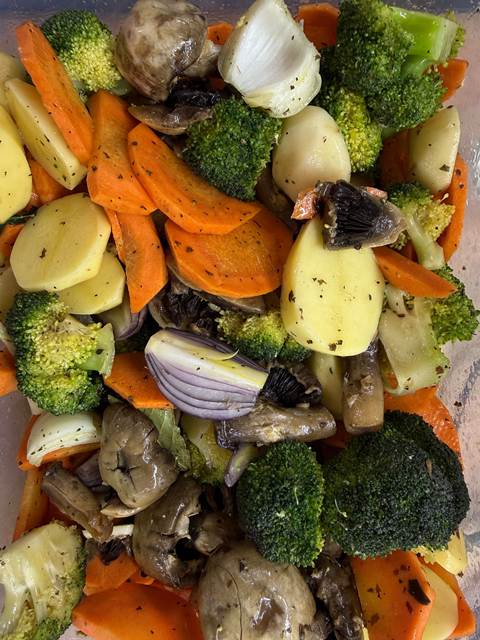
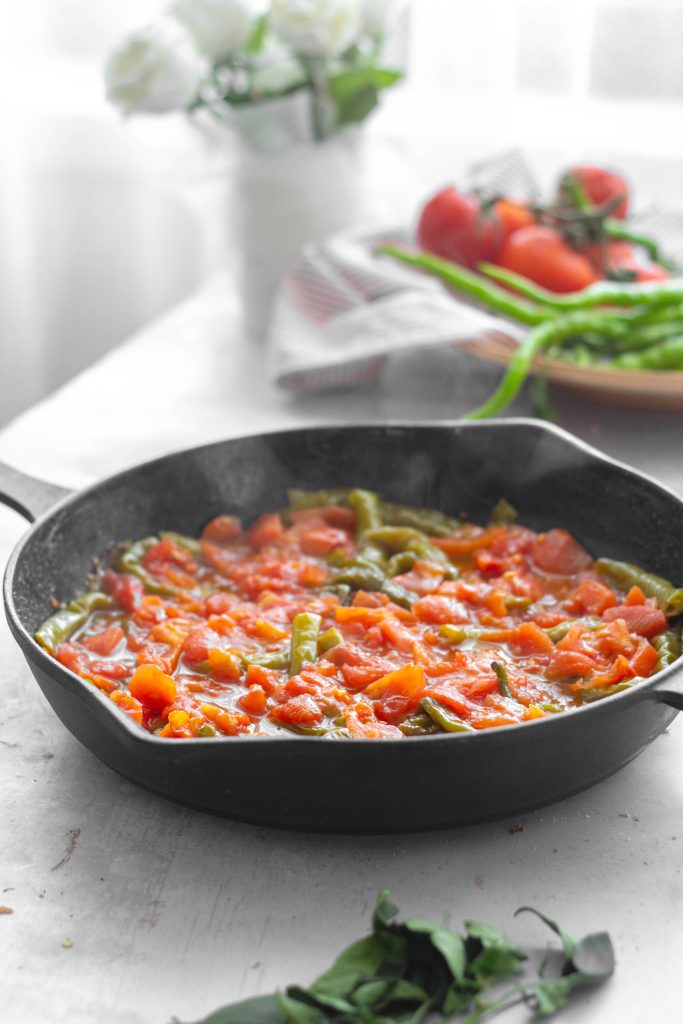
Not all vegetables roast at the same speed, and this is where most sheet pan dinners go wrong. Dense vegetables like potatoes, carrots, and winter squash need 35 to 45 minutes at 425 degrees. Tender vegetables like zucchini, cherry tomatoes, and asparagus finish in 15 minutes or less. Toss them all on the pan at once and you get mushy zucchini next to raw potatoes. The fix is simple staging, not extra pans.
I start the dense vegetables first, then add quicker items during the final stretch of roasting. Cutting also controls timing, so I dice slow roasters small and leave fast roasters in larger pieces. Uniform cuts matter more than perfect cuts; aim for pieces that are roughly the same size. Every piece then browns at the same rate. This is professional kitchen logic applied to a Tuesday night.
Crowding is the other timing killer I want you to avoid. Vegetables piled on top of each other steam instead of roast, and steamed vegetables never develop those crispy caramelized edges. Leave visible space between pieces so hot air can circulate. Use two pans if you must, or simply roast less. Browned edges are where the flavor lives, and they are worth protecting.
Skillet One-Pan Meals for Easy Weeknight Cooking
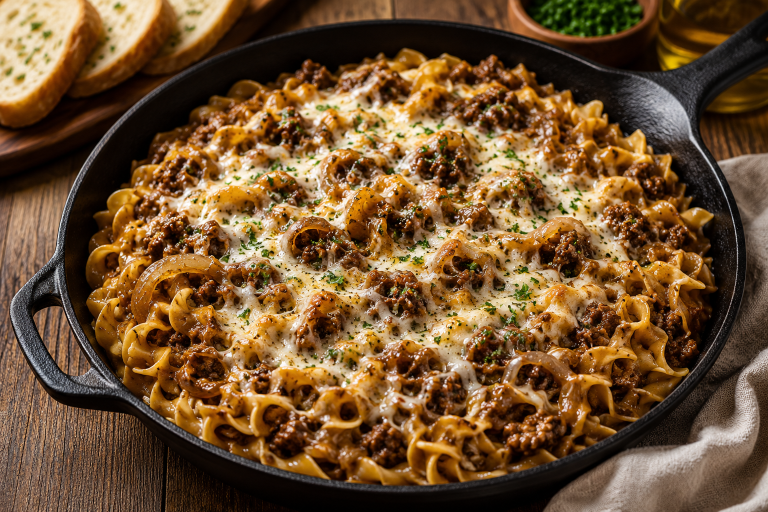
A large skillet gives you something a sheet pan cannot, which is a built-in sauce. Everything cooks in one vessel on the stovetop, and the browned bits left behind become the base of a pan sauce or a creamy finish. Skillet meals also move faster than oven meals; most come together in under 30 minutes. I use a 12-inch stainless steel or cast iron skillet for nearly all of them. Learn a few core techniques and this pan becomes the hardest working tool in your kitchen.
Building Flavor in Skillet One-Pan Meals for Weeknight Cooking
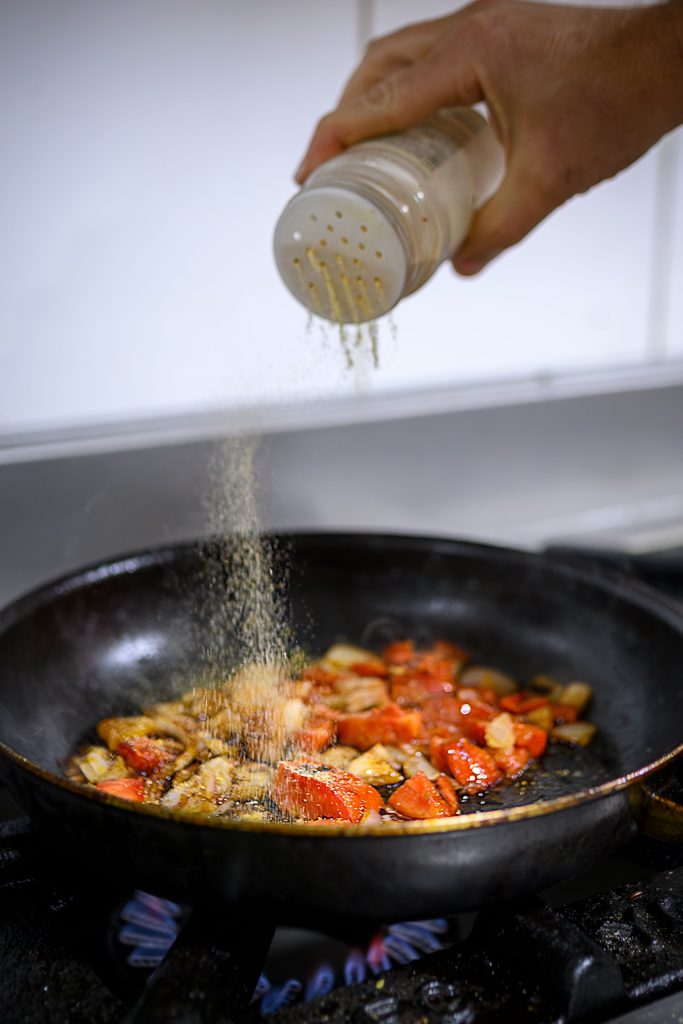
Flavor in a skillet meal starts with a proper sear. I heat the pan first, add oil, then lay the protein down and leave it alone until it releases easily. Those deep brown bits stuck to the pan are called fond, and they are pure concentrated flavor. Resist the urge to scrape or flip early. Patience during the sear pays off in every bite that follows.
Deglazing is the step that turns fond into dinner. After searing, I pour in a splash of broth, wine, or even water and scrape the bottom with a wooden spoon. The liquid lifts all that browned goodness into a quick sauce. Add garlic, herbs, or a spoonful of mustard and the sauce gains real depth in seconds. This single technique makes a weeknight skillet meal taste like it simmered all afternoon.
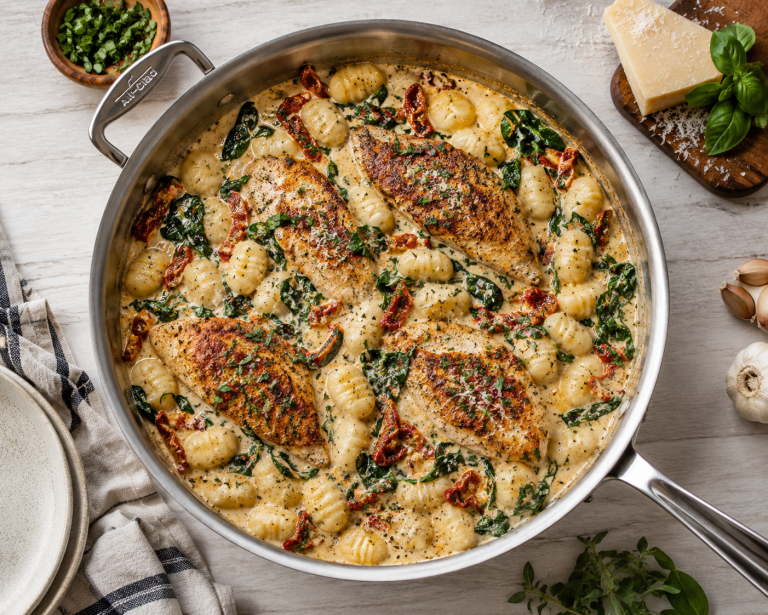
Layering ingredients in the right order finishes the job. Aromatics like onion and garlic go in after the sear, then sturdy vegetables, then liquids, then quick-cooking items like spinach or peas at the very end. Pasta and rice can even cook directly in the skillet, absorbing all that flavor as they simmer. If you want to see this in action, click here for my creamy one-pan chicken and orzo recipe. It proves how much flavor a single skillet can hold.
Cleanup Shortcuts That Make Skillet One-Pan Meals Worth It
Easy cleanup is half the reason I cook one-pan meals, so I protect that benefit deliberately. I keep a small bowl on the counter for scraps and wrappers while I prep. Cutting board, knife, skillet, and one spoon should be the whole sink pile. Fewer dishes at 8 p.m. means I actually enjoy cooking again the next night. That momentum matters more than any single recipe.
Deglazing also happens to be the best pan cleaner I know. A skillet that produced a pan sauce is already mostly clean because the liquid lifted the stuck bits during cooking. While the pan is still warm, a quick swipe with a soapy sponge finishes the job. Never shock a hot pan with cold water, since that can warp it. Warm pan, warm water, done in one minute.
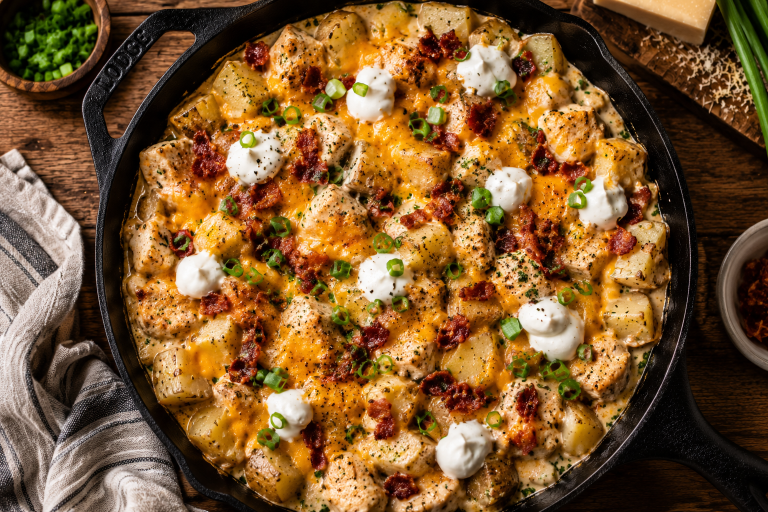
Cast iron needs slightly different care, and it rewards you for learning it. I rinse mine with hot water, scrub with a brush, dry it completely on the stove, and wipe on a thin layer of oil. That routine takes two minutes and keeps the surface naturally nonstick. A well-kept cast iron skillet gets better every year. Mine has cooked hundreds of weeknight dinners and still outperforms pans triple its price.
Bringing One-Pan Weeknight Dinners Together in Your Kitchen
One-pan cooking is really a mindset, not a recipe collection. You are matching cook times, layering flavors, and letting a single vessel do the work while you live your life. Start with one sheet pan meal and one skillet meal this week, then rotate them until the rhythm feels natural. Shorter evenings do not have to mean sad dinners or takeout guilt. A little strategy turns your busiest nights into your most satisfying meals.
Meal Prep Shortcuts for One-Pan Weeknight Dinners
Sunday prep makes one-pan dinners nearly effortless by Wednesday. I chop hardy vegetables like carrots, onions, and squash ahead and store them in containers. Proteins get seasoned and refrigerated so the flavor develops overnight. Dinner then becomes a five-minute assembly job.
Marinades and spice blends are prep multipliers I lean on constantly. I mix a big batch of my go-to seasoning and keep it in a jar by the stove. One scoop covers a whole sheet pan without any measuring on a busy night. Looking for ideas? Click here for my all-purpose roasting spice blend recipe.
Doubling a one-pan meal costs almost no extra effort. The oven does not care if the pan is full, and tomorrow you gets a free lunch. I roast two pans of vegetables at once and repurpose the extras into grain bowls or wraps. Cook once, eat twice is the ultimate weeknight win.
Pantry Staples That Make One-Pan Weeknight Dinners Simple
A stocked pantry means you can improvise a one-pan dinner without a recipe. I always keep olive oil, kosher salt, garlic, and a few dried herbs within reach. Canned chickpeas and white beans roast beautifully and add protein in a pinch. These basics turn random produce into an actual plan.
Acid is the pantry staple most home cooks forget. A squeeze of lemon or a splash of vinegar at the end brightens every roasted or seared dish. I keep lemons in the fruit bowl and three vinegars in the cabinet at all times. That final hit of acid is what makes food taste finished.
Finishing touches deserve a small shelf of their own. Parmesan, toasted nuts, fresh herbs, and chili flakes can elevate the simplest pan of food. I sprinkle them on right before serving for texture and color. Small details like these make weeknight cooking feel special instead of routine.