How to Cook Shrimp So It Never Turns Rubbery
Summer is peak shrimp season in my kitchen, and nothing ruins a warm evening faster than a plate of tough, bouncy shrimp. I spent years overcooking shrimp before I learned the simple rules that guarantee a tender, juicy bite every single time. The good news is that shrimp is one of the fastest proteins you can cook, so fixing the rubbery problem takes knowledge, not extra effort. Once you understand why shrimp seizes up, you can sauté, grill, poach, or bake it with total confidence. I want you to serve shrimp this summer that snaps gently and tastes sweet, not chewy. Let me walk you through everything I know about cooking shrimp so it never turns rubbery again.
Why Shrimp Turns Rubbery When You Cook It
Rubbery shrimp is almost always a heat and timing problem, not a quality problem. Shrimp cooks in a matter of minutes, and the window between tender and tough is shockingly small. Most home cooks leave shrimp on the heat well past the point of doneness because they are waiting for visual cues that arrive too late. I also see people start with poorly thawed shrimp, which cooks unevenly and pushes parts of it into rubbery territory. Understanding the cause is the first step toward tender shrimp every time.
The Science Behind Why Shrimp Turns Rubbery
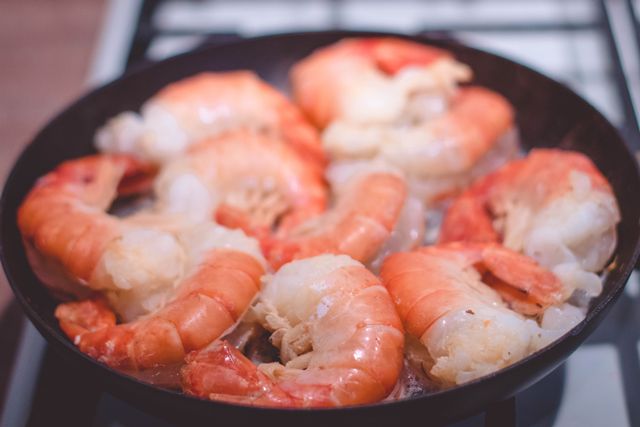
Shrimp muscle is made of delicate protein fibers wrapped in tight coils. When heat hits those proteins, they contract and squeeze out moisture, which is exactly why overcooked shrimp curls into a tight little O shape. A perfectly cooked shrimp forms a loose C shape instead. That visual difference is the single most useful doneness cue I can teach you, so burn it into your memory now.
Shrimp is fully cooked when its internal temperature reaches 120 degrees Fahrenheit, and the flesh turns opaque with pink and coral tones. Carryover cooking continues after you pull shrimp off the heat, which means you should remove it just before it looks completely done. Residual heat finishes the job in about a minute. If you wait until the shrimp looks perfect in the pan, it will be overcooked on the plate. This one habit change fixes rubbery shrimp for most home cooks immediately.
Size matters more than people realize, too. Large shrimp labeled 16 to 20 per pound need roughly two to three minutes per side, while small shrimp can finish in ninety seconds total. Cooking times in recipes are only estimates; your pan, your heat level, and your shrimp size all shift the math. Trust the C shape and the opaque color over the clock. Your eyes will always be more accurate than a timer.
Buying and Thawing Tips to Stop Shrimp From Turning Rubbery
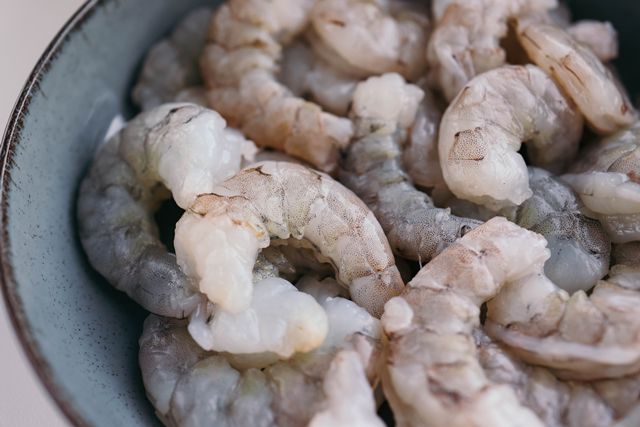
Great shrimp starts at the store, and I almost always buy frozen. Most shrimp at the seafood counter was previously frozen and thawed for display, so buying it still frozen actually gets you a fresher product. Look for bags labeled IQF, which stands for individually quick frozen, because those shrimp separate easily and thaw evenly. I also choose shell on shrimp when I have time, since the shells protect the flesh and add flavor to the pan. Avoid bags with heavy frost or ice crystals, which signal thawing and refreezing.
Thawing technique directly affects texture. The best method is slow and gentle: place frozen shrimp in a covered bowl in the refrigerator overnight. Short on time? Submerge the sealed bag in cold water for twenty to thirty minutes, changing the water once. Never thaw shrimp in hot water or the microwave, because both methods start cooking the outside while the inside stays icy.
Once thawed, pat the shrimp completely dry with paper towels. Wet shrimp steams in the pan instead of searing, and steaming at high heat is a fast track to rubbery texture. Dry shrimp browns beautifully and cooks in its predicted time. A quick fifteen minute brine in salted water can also season the shrimp and help it stay plump. Drain and dry thoroughly after brining, then cook right away.
The Best Cooking Methods for Tender, Never Rubbery Shrimp
Every cooking method can produce tender shrimp when you control heat and time. Hot, fast methods like sautéing and grilling build flavorful browning, while gentle methods like poaching and baking give you a wider margin for error. I choose my method based on the dish, the weather, and how much attention I can give the stove. Summer grilling season makes shrimp skewers a weekly staple in my house. Let me break down my four favorite techniques so you can pick the right one for tonight.
Sautéing and Grilling Methods for Tender, Never Rubbery Shrimp
Sautéing is my weeknight workhorse because it delivers dinner in under ten minutes. Heat a skillet over medium high until a drop of water sizzles instantly, then add oil and lay the shrimp in a single layer. Crowding the pan drops the temperature and creates steam, so work in batches if you need to. Cook large shrimp about two minutes on the first side, flip, and pull them after one more minute. They should be loosely curled, opaque, and lightly golden at the edges.
Finish sautéed shrimp with butter, garlic, and a squeeze of lemon right off the heat. The residual warmth blooms the garlic without burning it, and the butter creates an instant pan sauce. This is the foundation of countless summer dinners at my house. If you want to turn this technique into a full meal, click here for my garlic butter shrimp pasta recipe.
Grilling adds smoky depth that sautéing cannot match, and it keeps the kitchen cool in July. Thread shrimp onto two parallel skewers so they stay flat and flip easily. Grill over direct medium high heat for about two minutes per side, brushing with oil to prevent sticking. Pull the skewers the moment the shrimp turn opaque; the hot grates carry serious residual heat. Shell on shrimp are extra forgiving on the grill because the shells shield the flesh from flare ups.
Poaching and Baking Methods for Tender, Never Rubbery Shrimp
Poaching is the gentlest method of all, and it is my secret for perfect shrimp cocktail. I bring salted water with lemon and bay leaf to a boil, then turn off the heat completely. Add the shrimp to the hot liquid and let them sit for three to four minutes until opaque. This off heat method makes overcooking nearly impossible because the temperature only falls. Chill poached shrimp in an ice bath immediately to lock in that tender texture.
Poached shrimp shines in cold summer dishes beyond cocktail platters. Toss it into pasta salads, pile it onto rolls with lemony mayo, or fold it into avocado halves for an easy lunch. The mild, sweet flavor pairs with almost any dressing you love. Hosting a crowd this weekend? Click here for my classic shrimp cocktail with homemade horseradish sauce.
Baking, or more accurately roasting, is the hands off option I use for dinner parties. Toss dry shrimp with olive oil, salt, and pepper, then spread them on a sheet pan in a single layer. Roast at 400 degrees Fahrenheit for six to eight minutes until just opaque. The even oven heat cooks every shrimp at the same rate, so nothing on the pan gets ahead of the rest. Rotate the pan halfway through if your oven runs hot in the back.
Bringing Tender, Never Rubbery Shrimp Into Your Summer Kitchen
You now have every tool you need to cook shrimp with confidence all season long. The core lesson is simple: buy smart, thaw gently, dry thoroughly, and pull the shrimp off the heat just before it looks done. The loose C shape is your north star, and residual heat is your finishing partner. Practice these habits a few times and tender shrimp becomes automatic. Your summer table is about to get a serious upgrade.
Quick Reference Habits for Tender, Never Rubbery Shrimp
Keep a bag of IQF shrimp in the freezer at all times. It thaws in under thirty minutes in cold water, which makes it faster than a trip to the store. That convenience means a restaurant quality dinner is always within reach.
Salt your shrimp fifteen minutes before cooking when time allows. That quick brine seasons the flesh and helps it hold moisture under heat. Dry the shrimp completely afterward so it sears instead of steams.
Always undercook by a hair and let carryover heat finish the job. Pull shrimp when the centers look barely translucent. One minute of resting turns them perfectly opaque and juicy.
Easy Summer Meal Ideas Featuring Tender, Never Rubbery Shrimp
Shrimp tacos are my favorite way to feed a crowd on a hot night. Sauté the shrimp with chili powder and cumin, then pile them into warm tortillas with slaw and lime crema. Dinner comes together in fifteen minutes flat.
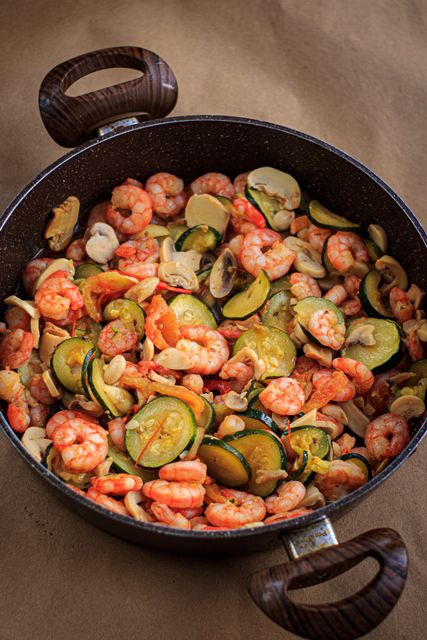
Grilled shrimp skewers pair beautifully with summer produce. Alternate shrimp with zucchini, cherry tomatoes, and red onion for a complete meal on a stick. Brush everything with a garlicky herb oil before grilling. Click here for my grilled shrimp and vegetable skewers recipe to get started this weekend.
Cold shrimp salads carry you through the hottest weeks of August. Toss chilled poached shrimp with corn, avocado, and a bright citrus vinaigrette. Serve it over greens or scoop it up with tortilla chips. Tender shrimp makes every one of these meals shine.