How to Grill Vegetables Without Losing Them Through the Grates
Nothing deflates a summer cookout faster than watching a perfect asparagus spear slip through the grates and land in the coals. I have lost my share of cherry tomatoes, onion slices, and zucchini rounds to that fiery abyss, and every loss taught me something. Grilling vegetables is one of the great joys of July cooking; the char, the smoke, and the caramelized edges turn simple produce into the star of the table. The trick is knowing how to cut, prep, and handle each vegetable so it stays on top of the grates where it belongs. With a few smart habits, you can grill everything from mushrooms to green beans with total confidence. Let me walk you through exactly how I do it.
Best Ways to Grill Vegetables Without Losing Them Through the Grates
Keeping vegetables out of the fire starts long before you light the grill. The two biggest factors are how you cut your produce and what equipment you use to support it. Big, flat pieces stay put; small, round pieces roll and fall. Simple tools like skewers and grill baskets solve the problem for anything too small to sit safely on its own. Master these two areas and you will never sacrifice another vegetable to the flames.
Cutting Vegetables to Grill Without Losing Them Through the Grates
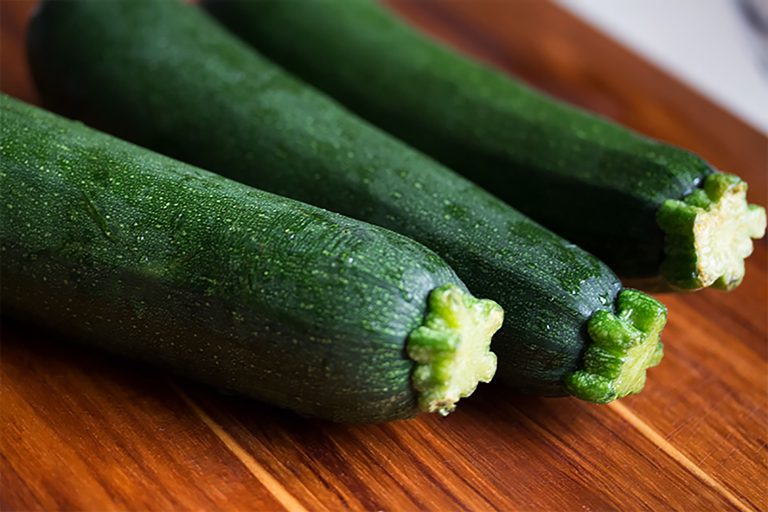
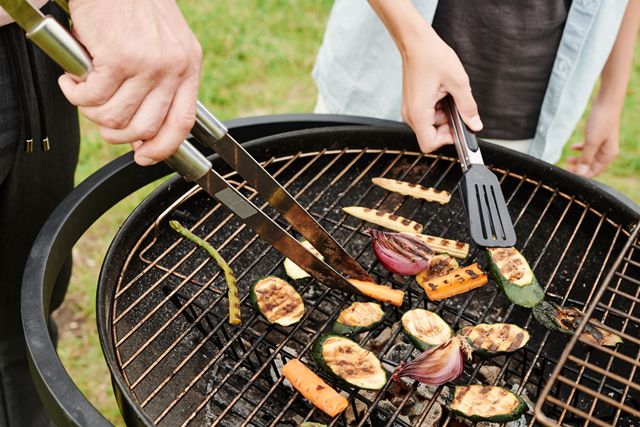
My first rule is to cut with the grates in mind, not the serving plate. Zucchini and yellow squash should be sliced lengthwise into long planks about half an inch thick, never into coins that roll around. Eggplant works the same way; long slabs give you maximum surface contact and zero risk of slipping. Onions should be cut into thick rounds held together with a toothpick or skewer through the side. You can always chop everything into smaller pieces after it comes off the heat.
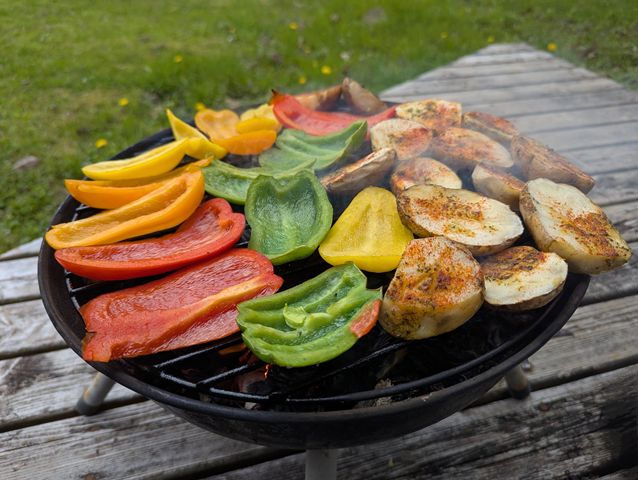
Peppers are a perfect example of grilling smarter. Instead of cutting them into strips, I slice off the four flat walls of the pepper and grill each one as a whole panel. Those big pieces char beautifully, and they lift off the grates in one easy motion with tongs. Asparagus should keep its full length, and I always lay the spears perpendicular to the grates like little bridges. Thin spears can even be grilled two or three at a time on a pair of parallel skewers.
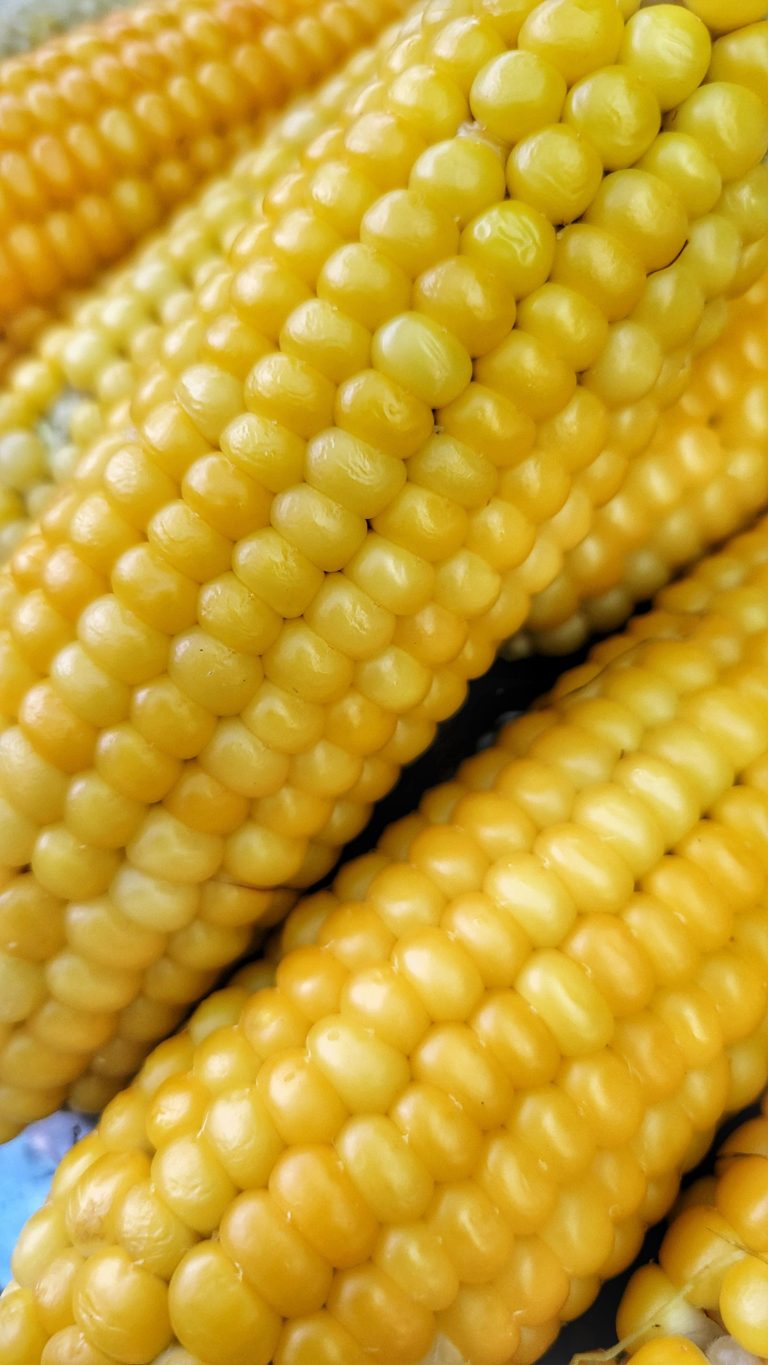
Corn deserves a special mention because it is the easiest vegetable to grill whole. Leave the cob intact, brush it with oil, and roll it every few minutes for even char. Portobello mushrooms also grill best as complete caps, gill side up first so the juices pool inside. Whole romaine hearts, halved lengthwise, hold together wonderfully and pick up gorgeous smoky flavor. When in doubt, go bigger; large pieces are always safer than small ones.
Skewers and Grill Baskets for Grilling Vegetables Without Losing Them
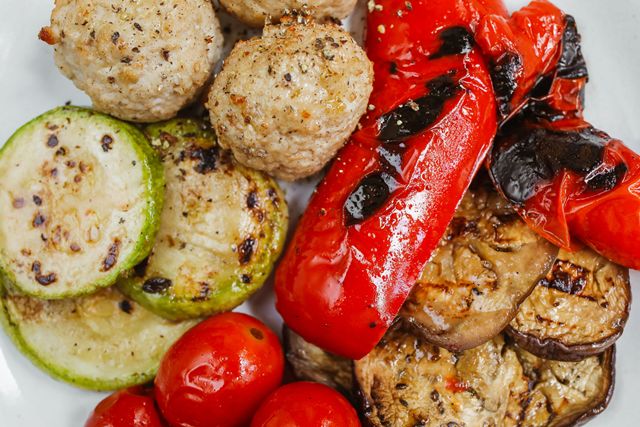
Some vegetables are simply too small to grill loose, and that is where skewers become your best friend. Cherry tomatoes, mushrooms, pearl onions, and chunks of squash all belong on a stick. I use two parallel skewers per kebab instead of one, which stops the vegetables from spinning when you flip them. If you use bamboo skewers, soak them in water for thirty minutes first so they do not burn. Metal skewers skip the soaking and conduct a little heat into the center of each piece, which speeds up cooking.
A grill basket is the other tool I refuse to cook summer dinners without. It is a perforated metal pan that sits right on the grates, and it catches everything from green beans to diced onions to snap peas. The holes let smoke and heat through while keeping every last piece safe. I preheat the basket on the grill for five minutes before adding oiled vegetables, which gives you an instant sear. Toss the vegetables with a long spatula every few minutes so they char evenly on all sides.
No basket in the house? A sheet of heavy duty foil crimped into a tray works in a pinch, though you lose some direct char. You can also invest in a grill grate topper with narrower slats, which shrinks the gaps small enough to hold thin green beans. Craving a full menu to build around these tools? Click here for my grilled vegetable kebab marinade recipe that works on any skewered produce. Once you own the right gear, the grates stop being an enemy.
How to Prep and Season Vegetables for Grilling Success
Great grilled vegetables come from great prep, and prep takes only a few minutes. Vegetables need three things before they hit the heat: a dry surface, a light coat of oil, and honest seasoning. Skipping any one of those steps leads to sticking, steaming, or bland results. The heat level and timing matter just as much, because different vegetables cook at wildly different speeds. Here is how I set every vegetable up for success.
Oiling and Seasoning Vegetables for Grilling Success
Dry vegetables sear; wet vegetables steam and stick. After washing your produce, pat every piece thoroughly dry with a clean towel before anything else touches it. Then toss the vegetables in a bowl with a modest amount of oil, about one tablespoon per pound. I reach for avocado oil or a neutral high smoke point oil, since delicate extra virgin olive oil can turn bitter over open flame. Oil the food, not the grates, because oil brushed on hot grates burns off almost instantly.
Season generously right before grilling, not an hour ahead. Salt draws moisture out of vegetables over time, and that surface water sabotages your sear. Kosher salt, fresh cracked pepper, and a pinch of garlic powder form my everyday base. Smoked paprika, cumin, or dried oregano can steer the flavor toward any cuisine you are cooking that night. Hearty vegetables like eggplant and portobellos can handle a quick fifteen minute marinade, but keep it brief.
Save your finishing flavors for after the grill. A splash of balsamic vinegar, a squeeze of lemon, fresh herbs, or a crumble of feta all shine when added to hot vegetables straight off the heat. Sugary glazes and honey based sauces should only go on during the last two minutes, since sugar burns fast over direct flame. I keep a small bowl of flaky salt by the cutting board for that final sprinkle. That last touch makes grilled vegetables taste like restaurant food.
Heat Levels and Timing for Grilling Vegetables Success
Most vegetables love medium high heat, somewhere around 400 to 450 degrees. That range is hot enough to build char marks quickly without incinerating the outside before the inside softens. Dense vegetables like carrots, potatoes, and beets are the exception; they need lower heat and longer time, or a quick parboil before grilling. I give raw potato slices a five minute head start in boiling water, and they finish on the grill perfectly. Set up a two zone fire so you always have a cooler side for anything cooking too fast.
Timing varies more than most home cooks expect. Asparagus and thin zucchini planks need only three to four minutes per side. Pepper panels take five to six minutes, mostly skin side down. Corn on the cob wants a full twelve to fifteen minutes with regular turning, and whole portobellos land around four to five minutes per side. Keep a simple list on your phone until the rhythms become second nature.
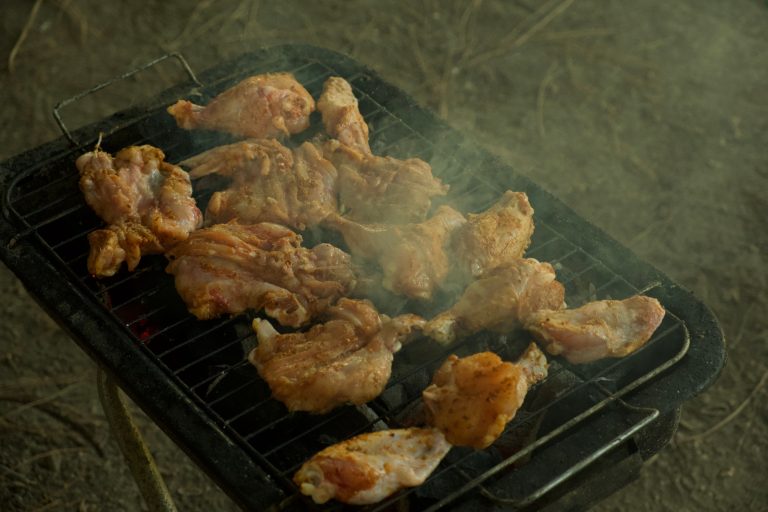
Resist the urge to flip constantly. Vegetables release naturally from clean, preheated grates once a proper sear forms, usually after three or four undisturbed minutes. If a piece resists your tongs, give it another minute and try again. Pull vegetables when they are tender with a little bite left, because carryover heat keeps cooking them on the platter. Want a protein to share the fire? Click here for my juicy grilled chicken thighs recipe that cooks alongside vegetables on the same grill.
Bringing Grilled Vegetables Together at Your Summer Table
Confidence at the grill comes from repetition, and vegetables are the most forgiving place to practice. Every technique here scales from a quiet Tuesday dinner to a packed Fourth of July backyard party. Start with one or two vegetables this week, learn their timing, and build your repertoire from there. Soon you will be the person friends text with their grilling questions. That transformation happens faster than you think.
Serving Ideas for Grilled Vegetables at Your Summer Table
Grilled vegetables deserve better than a sad pile on the edge of the plate. Arrange them on a big platter with lemon wedges, torn basil, and a drizzle of good olive oil for an instant centerpiece. Chopped grilled vegetables also transform grain bowls, pasta salads, and tacos into something special. Hunting for a crowd pleasing starter? Click here for my grilled vegetable platter with whipped feta dip recipe.
Leftovers might be the best part of the whole process. Grilled peppers and onions keep in the fridge for four days and slide easily into omelets, quesadillas, and sandwiches. Cold grilled zucchini tossed with vinaigrette becomes tomorrow’s lunch salad in about two minutes. I always grill double what I need for exactly this reason.
Think about color and texture when you build a vegetable platter. Pair soft eggplant with crisp charred green beans, and bright peppers with earthy mushrooms. A variety of shapes and shades makes even a simple spread feel generous. Guests eat with their eyes first, and grilled vegetables photograph beautifully.
Common Mistakes When Grilling Vegetables at Your Summer Table
Crowding the grill is the mistake I see most often. Vegetables packed edge to edge trap steam, and steam is the enemy of char. Leave breathing room between pieces, and cook in batches if the platter demands it. Grilled vegetables hold their heat well under foil while the next round cooks.
Dirty grates cause more sticking than any other single factor. Scrape the grates with a brush while they are screaming hot, both before and after cooking. A clean cooking surface releases food willingly and rewards you with those picture perfect grill marks. This thirty second habit saves entire dinners.
Finally, do not walk away from the fire. Vegetables cook fast, and the line between charred and burnt is about ninety seconds wide. Stay close, keep your tongs in hand, and trust your eyes and nose over any timer. Grill season is short; stay present and enjoy every smoky minute of it.