How To Tell When Corn On The Cob Is Actually Done
Corn on the cob is the easiest vegetable of summer to cook and somehow the easiest to ruin. Most people boil it for twenty minutes because their parents did, and corn back then actually needed it. Modern sweet corn is a different vegetable; it needs only minutes of heat. I overcooked corn for years before I learned the real signs of doneness. Perfect corn is crisp, juicy, and sweet, while overcooked corn turns chewy and dull. Let me show you exactly what to look for.
Signs Corn On The Cob Is Done Cooking
Doneness in corn is visual, tactile, and fast. Fresh sweet corn is edible raw, so heat only needs to warm it through and set its sweetness. That means the window between underdone and overdone is small, usually two or three minutes. The signs below work for boiling, grilling, and steaming alike. Learn them once and you will never guess again.
Color Changes Show When Corn On The Cob Is Done
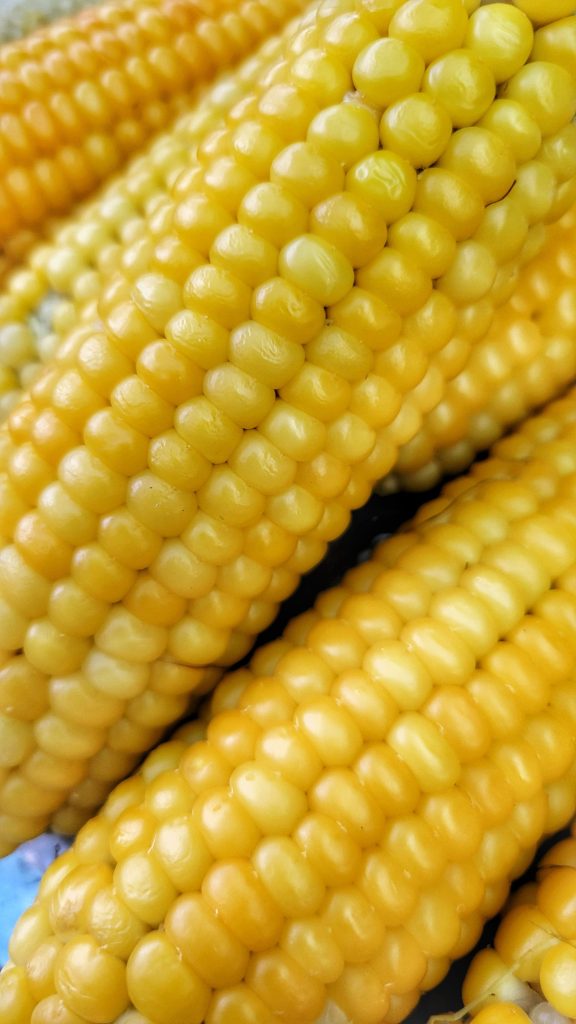
Raw kernels look pale, milky, and slightly matte. As corn cooks, the kernels turn a deeper, saturated yellow and take on a glossy shine. That shift from matte to bright is your first and most reliable visual cue. With bicolor corn, the white kernels go from chalky to nearly translucent.
Watch it happen in the pot; the change is quick. The color deepens within two to three minutes of hitting boiling water. Once the whole ear looks vivid and glossy, you are done. Waiting for some further transformation is exactly how corn gets overcooked.
Overcooked corn actually reverses course on you. Kernels start to look dull, wrinkled, and slightly shrunken as moisture escapes. If your corn looks deflated, the sweetness has already suffered. Pull it at peak gloss and you capture the ear at its best.
The Plumpness Test Shows When Corn On The Cob Is Done
Done kernels feel plump and taut, like tiny water balloons. Press one gently with a fingertip or the back of a fork; you want firm and springy with slight resistance. Raw kernels feel hard and dense, while overcooked kernels collapse under pressure. Plump and springy is the target.
There is a classic test I still use every summer. Pierce a single kernel with a fork tip; perfectly cooked corn releases a spurt of milky, sweet juice. That milkiness means the sugars and moisture are intact. Thin, clear liquid means the ear cooked too long.
Steam gives you clues when grilling in the husk. A done ear feels heavy and hot through the leaves, and the husk darkens and steams freely. Squeeze gently with tongs; the kernels should feel swollen underneath. Hard and lumpy means it needs another minute or two.
Timing Guidelines Show When Corn On The Cob Is Done
Boiled corn needs three to five minutes in water at a rolling boil, and that is all. Drop shucked ears in, wait for the color to brighten, and pull them. Very fresh farm stand corn can finish in two minutes. Twenty minute boils belong to the tougher corn of decades past, not today’s sugary hybrids.
Grilled corn runs longer because the heat is drier. Shucked ears over direct medium high heat take eight to ten minutes, turned every couple of minutes. Corn grilled in the husk takes about fifteen minutes and steams itself tender inside. A few char spots add flavor; blackened rows do not.
Steaming and microwaving follow the same short logic. Steam ears four to six minutes over boiling water. Microwave one husked ear in a damp paper towel for about three minutes. In every method, err on the side of less; you can add a minute, but you cannot take one back.
Cooking Methods That Keep Corn On The Cob From Overcooking
The best insurance against overcooked corn is choosing a method with a wide margin for error. Some techniques forgive a wandering mind, and some punish you for answering one text message. Salt, freshness, and timing behave differently in each approach. Here are the three I trust most in July. Pick the one that fits your kitchen tonight.
The Turn Off The Heat Method Keeps Corn On The Cob From Overcooking
This trick is nearly foolproof, and it is my favorite. Bring a large pot of water to a rolling boil, drop in the shucked ears, and immediately turn off the heat. Cover the pot and let the corn sit for ten minutes. Residual heat cooks the kernels gently with zero risk of a punishing boil.
The forgiveness window here is enormous. Corn held this way stays plump and sweet for up to thirty minutes in the covered pot. That makes it perfect for cookouts when the burgers run behind schedule. The corn simply waits at peak texture while you manage the grill.
One seasoning note applies to any boiled corn. Never salt the water; salt toughens the kernel skins during cooking. A spoonful of sugar in the pot is fine and flatters older ears. Save the salt for the butter afterward, where it belongs.
Grilling In The Husk Keeps Corn On The Cob From Overcooking
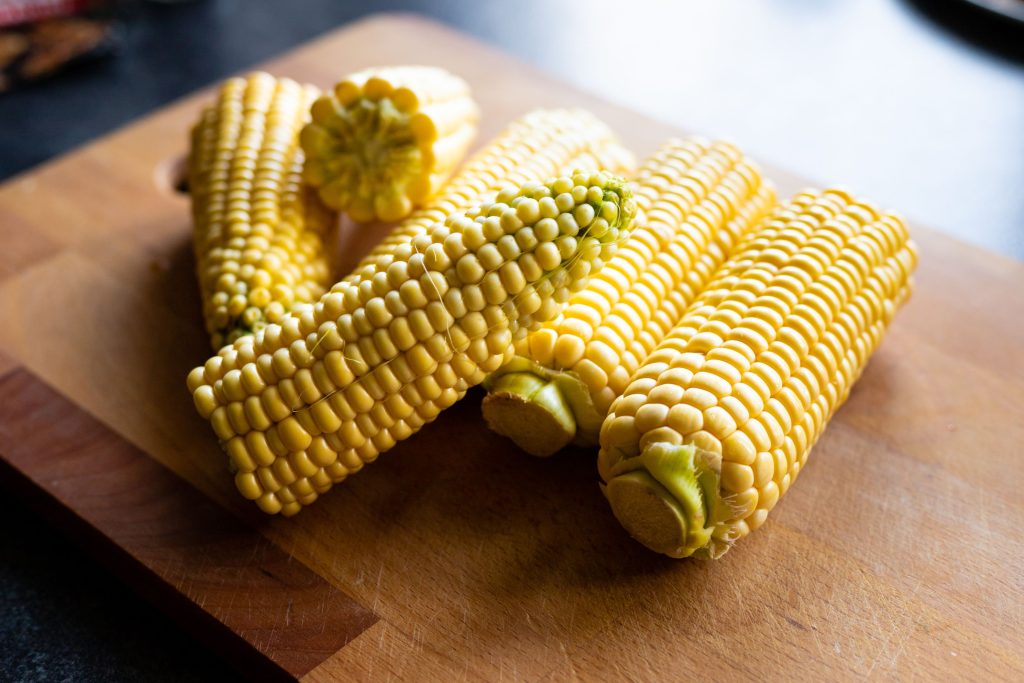
The husk is a built in steamer that shields kernels from direct flame. Soak whole ears in water for fifteen minutes, then grill over medium heat for about fifteen minutes, turning occasionally. The wet husk steams the corn inside while the outside picks up smoke. Drying corn out this way is genuinely difficult.
Peel the husk back carefully after grilling because the trapped steam is hot. The silk slips off easily once cooked, which is a nice bonus. Fold the husk back on itself to form a handle. Kids love holding corn this way at the picnic table.
Want char marks and protection together? Grill in the husk for twelve minutes, then shuck and finish over direct heat for two more. You get gentle cooking for most of the time and caramelization at the end. It is two zone thinking applied to a vegetable; click here for my two zone grilling guide.
Fresh Corn Selection Keeps Corn On The Cob From Overcooking
Fresh corn cooks faster and more forgivingly than old corn, so doneness starts at the market. Look for husks that are bright green, tight, and slightly damp. Silk tassels should be golden and soft, not black and brittle. Heavy ears mean juicy kernels.
Feel through the husk instead of stripping it back in the store. Run your thumb along the ear and check for plump, even rows to the tip. Skip ears with soft spots or gaps. Peeling husks dries out the corn for the next shopper.
Sweet corn converts sugar to starch from the moment it is picked. Buy it the day you cook it when possible. If you must wait, store ears in the husk in the refrigerator for no more than two days. Fresher corn means a shorter cook and a sweeter bite.
Serving Perfectly Done Corn On The Cob All Summer
Once you can nail doneness, corn becomes the most reliable side dish of the season. July and August are peak corn months, and good ears are cheap by the dozen. Cook it right and it needs almost nothing added. Here is how I serve it, hold it, and use every last kernel.
Butter And Seasoning For Perfectly Done Corn On The Cob
Hot corn and cold butter were made for each other. Roll the ear across a stick of butter on a plate to coat every row. Salt immediately so it clings to the melting butter. Flaky salt sticks best.
Compound butters take thirty seconds and look impressive. Mash softened butter with lime zest and chili powder, or garlic and chopped basil. Keep a log in the fridge all summer.
For something bolder, go the Mexican street corn route. Mayonnaise, cotija cheese, chili, and lime turn a plain ear into a party. Click here for my easy elote style corn recipe.
Holding And Reheating Perfectly Done Corn On The Cob
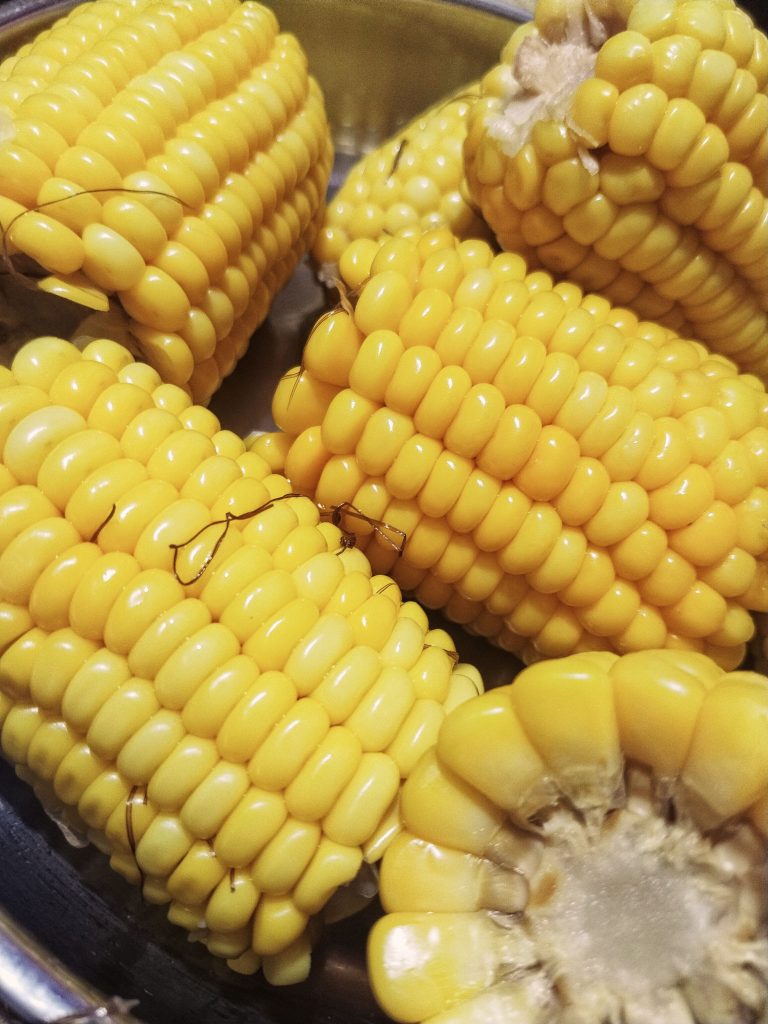
Cooked corn holds beautifully in warm water. Leave ears in the covered pot with the heat off and they stay ready for thirty minutes. This makes timing corn with grilled meats effortless.
For longer holds, wrap hot ears in foil and tuck them into a cooler. The trapped steam keeps them hot for nearly an hour. This trick has saved many potlucks.
Reheat leftovers gently. Two minutes in the microwave under a damp paper towel brings an ear right back. A hard reboil only overcooks what you got right the first time.
Using Leftover Perfectly Done Corn On The Cob
Cut leftover kernels off the cob for a second life. Stand the ear in a wide bowl and slice downward with a sharp knife. One ear yields about three quarters of a cup.
Those sweet kernels upgrade almost anything. Fold them into salads, tacos, cornbread batter, or a quick skillet saute with peppers. Cold corn straight from the fridge is even good on its own.
Save the stripped cobs too. Simmer them in water for thirty minutes to make a sweet corn stock. That stock is the best summer chowder base you will ever taste.