Why Your Burgers Puff Up on the Grill and How to Keep Them Juicy
Every summer I hear the same question from frustrated backyard cooks: why do my burgers swell into little meatballs on the grill? You start with a beautiful flat patty, and ten minutes later you are staring at a dome that sends every topping sliding onto the deck. The good news is that puffed burgers are not a mystery; they are simple food science, and you can fix the problem tonight. Heat causes the proteins in ground beef to contract, and that contraction squeezes the patty inward and upward. Once you understand what the meat is doing, you can shape, season, and grill in a way that keeps burgers flat, juicy, and ready for the bun. Grab your spatula and let me walk you through it.
Why Burgers Puff Up on the Grill: The Food Science Explained
Burgers puff up on the grill because muscle proteins shrink when they hit high heat. Ground beef is full of myosin and collagen, and both tighten dramatically above 140 degrees Fahrenheit. The edges of the patty cook first, so they contract first, forcing the still raw center to bulge upward like a balloon. Fat rendering adds to the pressure, since melting fat and escaping steam need somewhere to go. Once you see the patty as a bundle of shrinking fibers, every fix I share below will make perfect sense.
How Protein Contraction Makes Burgers Puff Up on the Grill
Think of each strand of protein in your ground beef as a tiny rubber band. Raw, those strands are relaxed and loose, which is why a fresh patty feels soft and pliable. The moment the meat hits a hot grate, the strands snap tight and pull toward the center of the patty. Because the outer ring of the burger cooks faster than the middle, the contraction happens unevenly. That uneven squeeze is exactly what pushes the center up into a dome.
Grind size and mixing play a huge role here too. Overworked meat develops a springy, sausage like texture because the proteins have already started binding together. A patty made from overmixed beef contracts harder and puffs higher than one handled gently. I mix my seasonings in with just a few light folds, then stop. Loose, tender meat stays flatter and chews better.
Fat content matters just as much as handling. An 80/20 blend gives you enough fat to keep the burger moist, but that fat melts and creates steam inside the patty. Steam expands, and a tightly packed burger traps it like a sealed pouch. Leaner blends puff less but dry out fast, which is its own heartbreak. I stick with 80/20 and manage the puff through shaping instead of sacrificing juiciness.
Why Burgers Puff Up on the Grill More Than in a Skillet
Home cooks often notice their burgers dome dramatically outside but stay flatter on the stovetop, and there is a real reason for that. A grill hits the patty with intense radiant heat from below and hot circulating air from every side. That surround sound of heat cooks the edges aggressively, which accelerates the contraction that causes doming. A skillet only heats the surface touching the pan, so the squeeze happens more gradually.
Grill temperature swings make the problem worse. Charcoal fires often run hotter than 500 degrees near the coals, and gas grills develop scorching hot spots over each burner. When one side of a patty cooks much faster than the other, it contracts unevenly and warps. I always preheat my grill for a full ten minutes, then check for even heat by holding my hand five inches above the grate. Consistent heat means consistent contraction, and that means a flatter burger.
The grate itself contributes too. A skillet supports the entire patty, but grill grates only touch thin strips of meat while the rest hangs over open flame. Those unsupported sections sag slightly as fat renders, then the contracting edges pull everything toward the middle. If puffing keeps beating you outdoors, try a cast iron griddle plate right on the grates. You keep the smoky flavor and gain full surface contact. If you love that flat top style, click here for my smash burger recipe that uses this exact setup.
How to Keep Burgers Juicy and Flat on the Grill
Keeping burgers juicy and flat comes down to three moves: shape a wide patty, press a dimple into the center, and control your heat. Professional kitchens have used these tricks for decades because they work with the meat instead of fighting it. You do not need special equipment or a culinary degree, just a slightly different routine at the cutting board. Salt timing and flipping habits matter too, and I will cover both. Master these steps and you will never serve a dry meatball on a bun again.
The Dimple Trick to Keep Burgers Juicy and Flat on the Grill
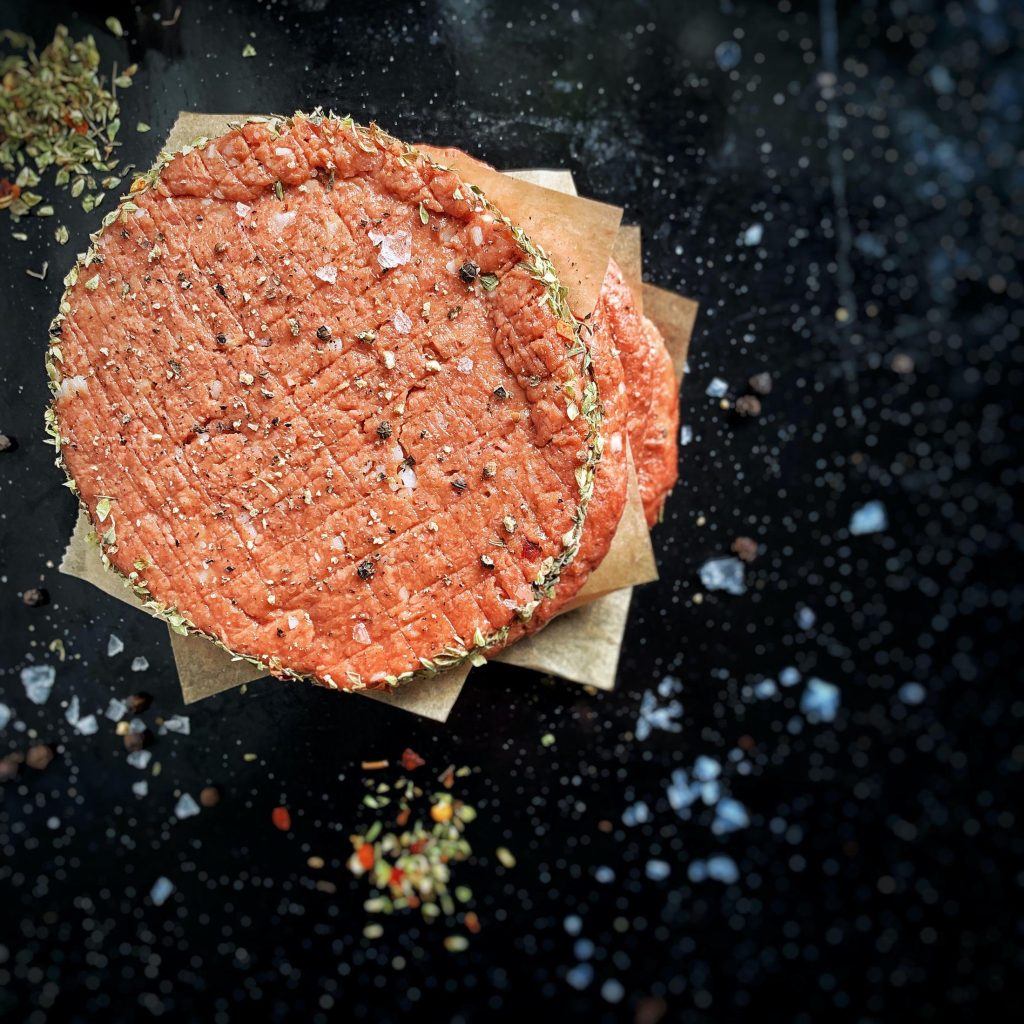
The dimple is the single most effective fix I know. After shaping each patty, press your thumb or the back of a spoon into the center to create a shallow well about a quarter inch deep. As the edges contract during cooking, they pull that depression flat instead of pushing the center into a dome. The burger finishes level, holds its toppings, and cooks evenly from edge to edge. It takes two seconds and changes everything.
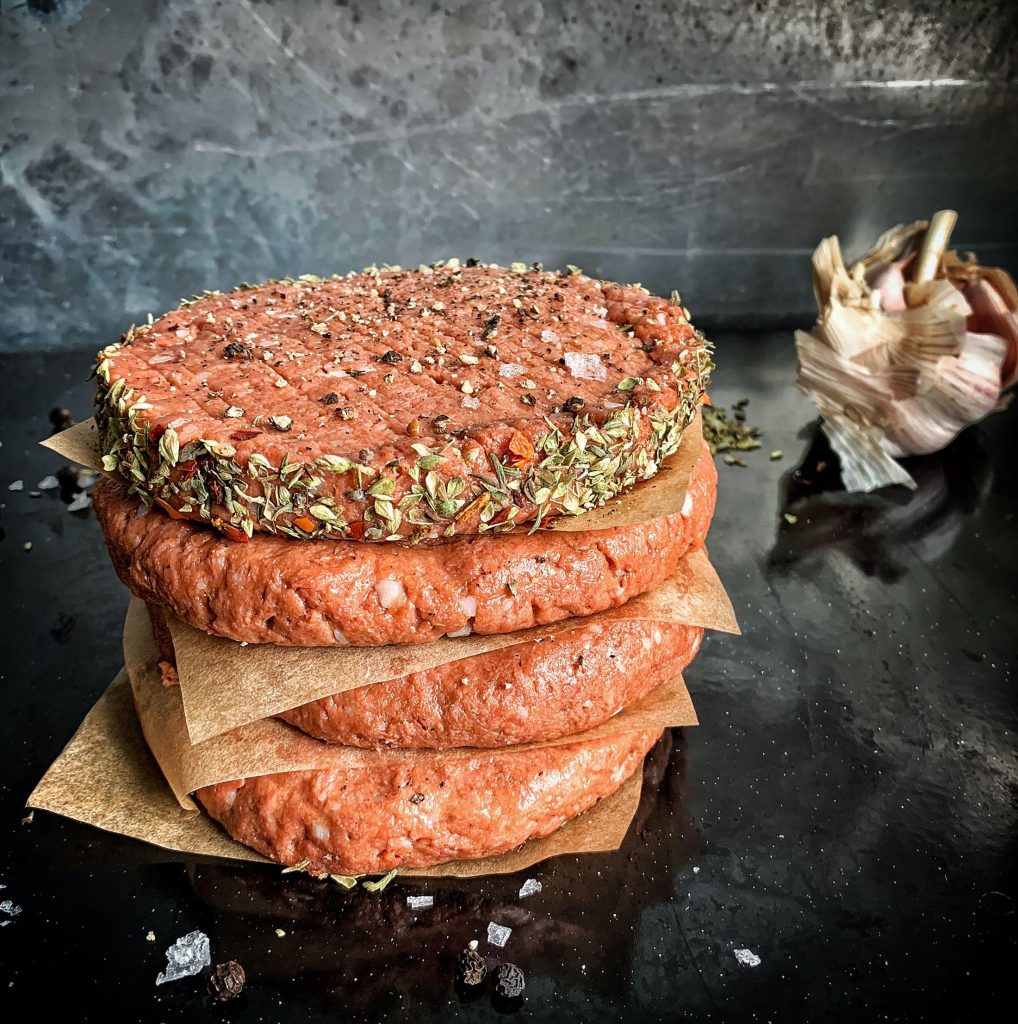
Patty width supports the dimple strategy. I shape my patties about a half inch wider than the bun, because every burger shrinks as it cooks. A six ounce portion pressed to three quarters of an inch thick gives you the ideal ratio of crusty exterior to juicy interior. Thicker pucks puff more and cook unevenly; thinner patties dry out before they brown. Wide, moderately thick, and dimpled is the formula.
Cold meat helps the shape hold. I portion and shape my patties, then return them to the refrigerator for at least twenty minutes before grilling. Chilled fat stays solid longer on the grate, which slows the steam buildup that contributes to puffing. Cold patties also survive the flip without cracking. Shape ahead, chill, then grill; your future self will thank you.
Heat Control and Flipping to Keep Burgers Juicy and Flat on the Grill
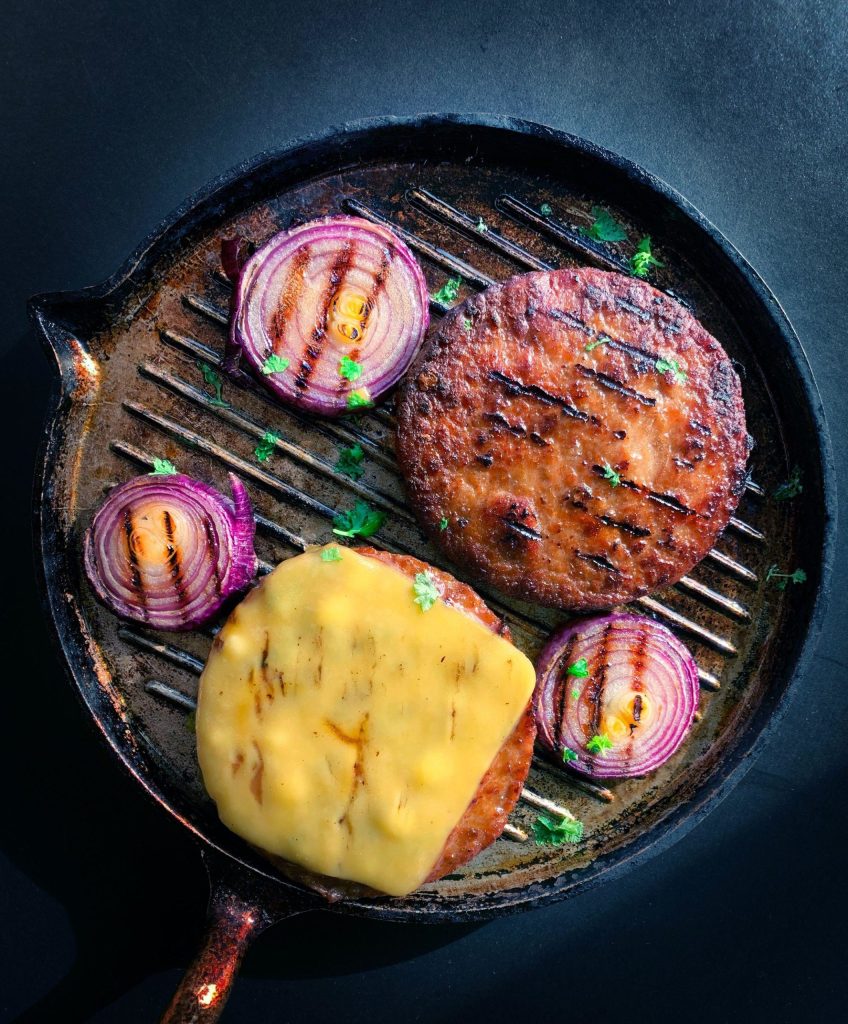
Two zone grilling is my nonnegotiable setup for juicy burgers. Bank your coals on one side, or light half your gas burners, so you have a hot zone for searing and a cooler zone for gentle finishing. Sear each patty over direct heat for two to three minutes per side, then slide it to the cool zone to reach temperature. This approach browns the outside without blasting the proteins into a violent contraction. Gentle finishing equals flatter, juicier burgers.
Flip more often than you think you should. The old rule about flipping only once is a myth that food scientists have thoroughly debunked. Flipping every minute or so keeps both surfaces at a moderate temperature, which cooks the burger up to thirty percent faster and more evenly. Even cooking means even contraction, and even contraction means no dome. Just never press down on the patty with your spatula, because that squeezes out the juices you worked so hard to protect.
Salt timing is the sneaky final piece. Salt dissolves proteins and makes ground meat bind tightly, so salting the mix ahead of time creates that bouncy, puffy texture. I season only the outside of each patty right before it hits the grate. Pull burgers at 160 degrees Fahrenheit for food safety, then rest them for three to five minutes so the juices redistribute. Want a bun worthy of all this effort? Click here for my soft homemade brioche burger buns recipe.
Bringing Juicy, Flat Grilled Burgers Together in Your Backyard
You now have every tool you need to grill flat, juicy burgers all summer long. The puff comes from protein contraction, and the cure is a wide dimpled patty, gentle handling, and smart two zone heat. None of these steps costs money or adds real time to your cookout. They simply replace habits that fight the meat with habits that work alongside it. Fire up the grill this weekend and put the science to work.
A Quick Checklist for Juicy, Flat Grilled Burgers
Start with 80/20 ground beef and handle it as little as possible. Shape patties a half inch wider than your buns and about three quarters of an inch thick. Press a shallow dimple into the center of each one. Chill the shaped patties for twenty minutes before they touch the grate.
At the grill, build a two zone fire and preheat for a full ten minutes. Salt the outside of each patty just before searing. Flip often, never press, and finish over indirect heat. Pull at 160 degrees and rest before serving.
Keep this routine simple and repeatable. The best grillers I know follow the same steps every single time, and consistency is what turns good burgers into legendary ones. Print the list, tape it near your grill, and trust the process. Your guests will notice the difference on the very first bite.
Serving Ideas for Juicy, Flat Grilled Burgers
A flat, level burger is a blank canvas for toppings that finally stay put. I love a swipe of garlic aioli, crisp lettuce, thick tomato, and a slice of sharp cheddar melted during the last minute on the grill. Because the patty is level, every bite delivers the full stack. That balance is the quiet reward of all your technique.
Sides deserve the same care as the burger itself. Grilled corn, a tangy slaw, or smoky potato salad all shine next to beef hot off the grate. Looking for a crowd pleasing side? Click here for my creamy grilled corn salad recipe. One great side turns burger night into a full backyard feast.
Finally, do not be afraid to experiment once the fundamentals feel automatic. Swap in ground turkey with the same dimple trick, or top your patty with grilled pineapple for a sweet twist. The science stays the same no matter the protein. Flat, juicy, and confident is your new grilling signature.