
The Real Reason Your Homemade Mac and Cheese Turns Grainy
Grainy mac and cheese breaks my heart every time I see it happen to a home cook. You melt good cheese into a sauce, it looks glossy for a moment, then it turns gritty and greasy right before your eyes. The good news is that graininess is not bad luck; it is chemistry, and chemistry can be controlled. Once you understand why cheese proteins seize up, you can make silky, creamy mac and cheese for every summer cookout and potluck on your calendar. I am going to walk you through the science, the common mistakes, and the exact method I use in my own kitchen. Smooth sauce is closer than you think.
Why Mac and Cheese Sauce Breaks and Turns Grainy
Cheese sauce turns grainy when the proteins in the cheese clump together and squeeze out their fat and moisture. Heat is almost always the culprit, but the type of cheese you choose and how you handle it matter just as much. Think of cheese as a delicate emulsion of protein, fat, and water held in balance. Push that balance too hard and the emulsion collapses into curds swimming in grease. Understanding this one idea will fix most grainy mac and cheese problems before they start.
The Science Behind Grainy Mac and Cheese Sauce
Cheese is built from casein proteins that form a loose net around droplets of butterfat and water. When you melt cheese gently, that net relaxes and everything flows together into a smooth, pourable sauce. When you blast it with high heat, the proteins tighten up fast and knot themselves into tough little clumps. Those clumps are the grit you feel on your tongue. The fat they release is the greasy slick you see pooling on top.
Temperature is the biggest variable, and the danger zone is lower than most home cooks expect. Most cheeses begin to break somewhere around 150 to 160 degrees Fahrenheit, which a simmering pot passes in seconds. A rolling boil is a guaranteed disaster for cheese sauce. This is why recipes tell you to remove the pot from the heat before adding cheese; residual warmth is plenty. Patience at this stage saves the whole dish.
Acid and age play supporting roles in the graininess story too. Older cheeses like aged cheddar and Parmesan carry less moisture and tighter protein structures, so they break more easily than young, moist cheeses. Acidic additions such as wine or tomatoes can also destabilize the proteins. None of these ingredients are off limits; they simply demand gentler heat and a stabilizer. I will show you exactly how to use one in a moment.
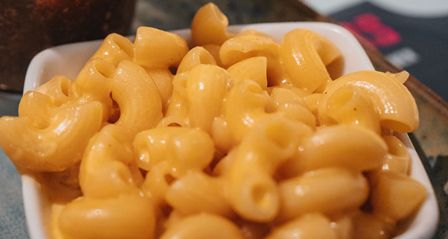
Common Mistakes That Make Mac and Cheese Grainy
The number one mistake I see is adding cheese to a sauce that is still bubbling. Home cooks stir shredded cheddar into boiling milk or bechamel, and the proteins seize instantly. Always pull the pot off the burner first, then wait about a minute before the cheese goes in. Add the cheese in small handfuls, stirring each one until it fully melts. Dumping it all at once drops the sauce temperature unevenly and encourages clumping.
Bagged shredded cheese is the second silent saboteur in most kitchens. Those convenient shreds are coated in cellulose and potato starch to prevent caking, and that coating interferes with smooth melting. It also lends a chalky, gritty texture even when your technique is perfect. Buy a block and grate it yourself; the difference is dramatic. Five extra minutes of grating buys you a noticeably silkier sauce.
Reheating habits cause plenty of grainy heartbreak as well. Leftover mac and cheese blasted in the microwave on full power will break just like an overheated sauce on the stove. Warm it gently with a splash of milk, stirring every thirty seconds, and it comes back to life. Skipping the flour or starch base is another common shortcut that fails; a stabilizer gives the emulsion insurance. Respect the low and slow rule and your sauce will respect you back.
How to Make Smooth and Creamy Mac and Cheese Every Time
Consistently smooth mac and cheese comes down to three choices: the right cheeses, a proper stabilized base, and gentle heat from start to finish. I build my sauce on a simple bechamel because the flour bound starch keeps the cheese proteins from clumping. Then I choose a blend of cheeses that balances flavor with meltability. Finally, I control temperature like a hawk during the melting stage. Nail these three and graininess becomes a distant memory.
Best Cheeses for Smooth and Creamy Mac and Cheese
Young, moist cheeses melt the most reliably, so they should form the backbone of your blend. Monterey Jack, fontina, young gouda, and mild cheddar all flow beautifully into sauce. Their higher moisture content and looser protein structure keep them supple under heat. I usually make these melters at least half of my total cheese by weight. Flavor can come from bolder cheeses layered on top of that smooth foundation.
Sharp aged cheddar, gruyere, and Parmesan bring the deep flavor everyone craves in mac and cheese. They are also the most likely to break, so use them as accents rather than the whole show. A ratio of two parts good melter to one part aged cheese gives you both silkiness and punch. Grate the aged cheeses finely so they melt fast with minimal heat exposure. Stir them in last, off the heat, and they will behave.
American cheese deserves an honest defense in this conversation. A few slices contain sodium citrate, a melting salt that acts like a peacekeeper among cheese proteins. Just two or three slices folded into a pot of sauce can stabilize an entire batch without dulling the flavor. Food scientists use pure sodium citrate for ultra smooth sauces, and you can buy it online for pennies per serving. Consider it a legal cheat code for creamy results.
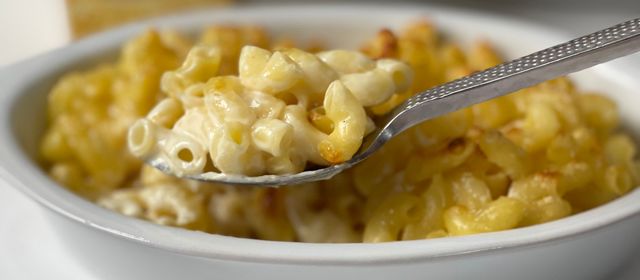
Step by Step Method for Smooth and Creamy Mac and Cheese
Start with a bechamel, the classic French white sauce that gives your cheese a stable home. Melt three tablespoons of butter over medium heat, whisk in three tablespoons of flour, and cook the paste for about two minutes until it smells nutty. Slowly whisk in three cups of whole milk, a little at a time, so no lumps form. Simmer gently until the sauce coats the back of a spoon. That starch network is your insurance policy against grainy sauce. If you want to master this foundational technique, click here for my step by step bechamel sauce recipe.
Now comes the moment that makes or breaks everything: adding the cheese. Remove the pot completely from the heat and let it rest for sixty seconds. Add your freshly grated cheese one handful at a time, whisking until each addition disappears before the next one goes in. The residual heat melts the cheese without ever pushing the proteins past their breaking point. Season with salt, mustard powder, and a pinch of cayenne once everything is smooth.
Cook your pasta shy of al dente, since it will keep absorbing sauce as it sits. Reserve a cup of starchy pasta water before draining; a splash loosens the sauce and adds even more emulsifying power. Fold the pasta into the sauce rather than pouring sauce over dry noodles. Serve it right away for stovetop style, or bake it briefly at 350 degrees with a buttered breadcrumb top. Keep the bake short, around 15 to 20 minutes, so the oven does not undo your careful work.
Bringing Creamy Mac and Cheese Together in Your Kitchen
You now hold every tool you need to banish grainy mac and cheese for good. Grate from the block, build a stabilized base, and treat heat as your most important ingredient. These habits take no extra skill, just a little intention at the stove. Every batch you make will teach your hands what a healthy sauce looks and feels like. Trust the process and taste as you go.
Quick Fixes for Grainy Mac and Cheese
Sometimes a sauce breaks despite your best efforts, and rescue is often possible. Pull the pot off the heat immediately and whisk in a splash of cold milk or cream. The sudden temperature drop and fresh liquid can coax the emulsion back together. Vigorous whisking helps redistribute the fat while the proteins relax.
An immersion blender is the strongest tool in the rescue kit. Blend the broken sauce for thirty seconds and watch the grit smooth out before your eyes. A teaspoon of lemon juice can also help; the small dose of acid loosens tightened proteins. Strange but true, and it works more often than not.
Prevention still beats every rescue, so keep a thermometer nearby while you learn. Once the sauce is saved, taste and adjust the seasoning before serving. Fold in your pasta and move on with dinner. Nobody at the table will ever know.
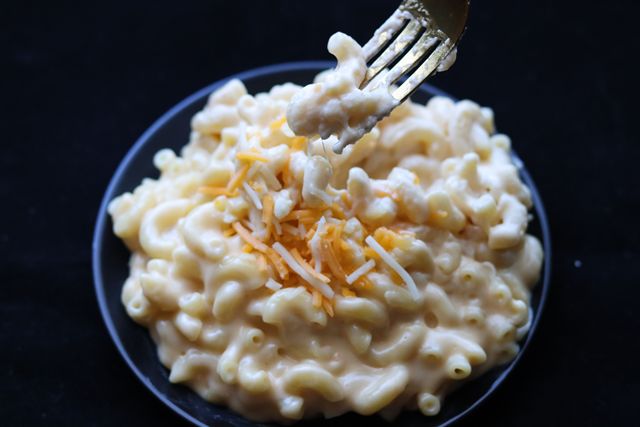
Creamy Mac and Cheese Tips for Summer Cookouts
Mac and cheese is a cookout hero in July, and a little planning keeps it creamy outdoors. Make the sauce slightly looser than usual, since it thickens as it sits on the buffet table. A slow cooker set to warm holds it beautifully for hours. Stir in a splash of milk every so often to refresh the texture.
Pair it with smoky grilled mains for the ultimate backyard spread. Brisket, pulled pork, and barbecue chicken all love a creamy scoop alongside. Looking for the perfect main dish? Click here for my easy grilled barbecue chicken recipe.
Transporting mac and cheese to a potluck is simple with an insulated carrier and a tight lid. Reheat gently on arrival with low heat and a splash of milk. Bring a big spoon, because this dish always disappears first. Your smooth, creamy batch will be the one everyone asks about.