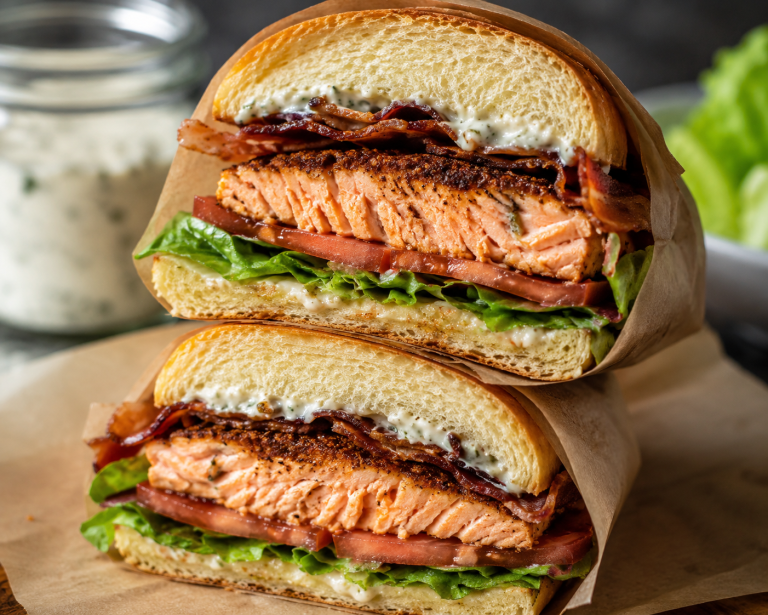
The Secret to a Tomato Sandwich Worth Waiting All Year For
There is exactly one sandwich I refuse to eat eleven months out of the year, and it is the humble tomato sandwich. In July, when tomatoes are heavy, fragrant, and warm from the vine, it becomes the best thing I make all summer. The secret is not a fancy ingredient or a clever technique. It is restraint, timing, and a willingness to let one perfect tomato do all the talking. I learned this the hard way after years of building sad, watery sandwiches with supermarket tomatoes in February. Once you know what actually matters, you will never settle for a mediocre version again.
Choosing the Best Tomato for a Tomato Sandwich
Everything starts with the tomato, and I mean everything. A tomato sandwich has almost nowhere to hide; there are only four or five ingredients, so the tomato carries the entire meal. A pale, mealy tomato produces a pale, mealy sandwich no matter how good your bread is. This is why the sandwich only truly exists in summer. Get the tomato right and the rest is nearly automatic.
Peak Season Tomatoes Make the Best Tomato Sandwich
Tomato season in most of the country runs from late June through early September, and July sits right at the heart of it. A tomato picked ripe in July has developed its sugars and acids fully on the plant. That balance of sweet and tangy is the flavor you remember from childhood summers. No greenhouse tomato in winter can replicate it.
Farmers markets and roadside stands are your best hunting grounds right now. Those tomatoes were usually picked within a day or two, often that same morning. Grocery store tomatoes get harvested early and ripened in transit, which softens the flesh without building flavor. The difference in a sandwich is not subtle; it is the whole game.
If you grow your own, you already understand the magic. Pick your sandwich tomato in the afternoon when the fruit is warm from the sun. A warm tomato smells louder and tastes rounder than one from the fridge. Speaking of which, never refrigerate a ripe tomato; cold temperatures destroy the aroma compounds that make it taste like summer.
Ripeness Signs for the Best Tomato Sandwich
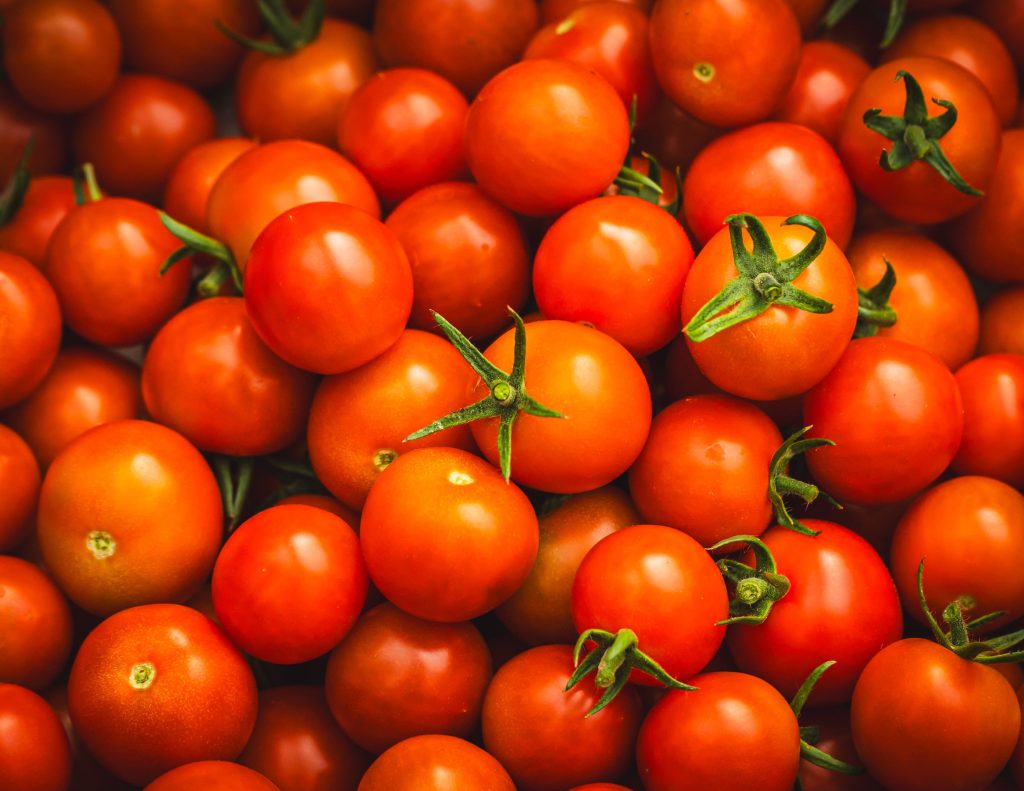
A sandwich tomato should feel heavy for its size, like it is full of juice, because it is. Give it a gentle squeeze; you want a slight give, not firmness and not mush. The skin should look glossy and taut with deep, saturated color from shoulder to bottom. Green shoulders mean it needs another day or two on the counter.
Smell is the most honest test of all. Put your nose right at the stem end and inhale. A ripe tomato smells earthy, green, and sweet all at once. If it smells like nothing, it will taste like nothing.
Do not fear the ugly ones, either. Cracks, lumps, and odd shapes usually signal an heirloom variety grown for flavor rather than shipping. Some of the best tomato sandwiches of my life came from fruit too homely for a grocery shelf. Beauty is a marketing feature; flavor is a sandwich feature.
Tomato Varieties for the Best Tomato Sandwich
Big slicing varieties are built for this job. Beefsteak, Brandywine, and Cherokee Purple give you broad slices that cover the bread edge to edge in a single layer. One slice means one clean bite, with no shingled pieces sliding out the sides. Size genuinely matters here.
Brandywine is my personal favorite when I can find it. It brings intense, old fashioned tomato flavor with a soft, almost creamy texture. Cherokee Purple runs smokier and sweeter, and it makes a stunning sandwich with its dusky color. Both are worth seeking out at a market this month.
Avoid romas and paste tomatoes for sandwiches. They were bred for sauce, so they are drier, firmer, and less complex raw. Save them for a pot of marinara and give the sandwich to a juicy slicer. If you end up with extra heirlooms, click here for my simple heirloom tomato salad recipe.
How To Build the Perfect Tomato Sandwich
Once you have the right tomato, construction becomes a short list of small decisions done well. The classic formula is soft white bread, real mayonnaise, thick tomato slices, salt, and black pepper. Every element exists to frame the tomato, not compete with it. Resist the urge to add more; addition is how good tomato sandwiches get ruined. Here is how I handle each piece.
The Right Bread for the Perfect Tomato Sandwich
Soft white sandwich bread is the traditional choice, and tradition is correct here. The squishy texture compresses around the tomato and catches the juice like a sponge. Crusty artisan loaves fight back when you bite, squeezing tomato out the sides and shredding the roof of your mouth. This is one place where fancy bread makes a worse sandwich.
Fresh matters more than brand. Bread that is even slightly stale turns gummy the moment tomato juice hits it. Buy the loaf the same day if you can. This sandwich deserves that small effort.
Toasting is the great debate, and I land gently on one side. Untoasted is classic and lets everything melt together into one soft, dripping bite. A light toast adds structure if your tomato is especially juicy. Either way, skip a hard, dark toast; crunch distracts from the main event.
Mayonnaise and Seasoning for the Perfect Tomato Sandwich
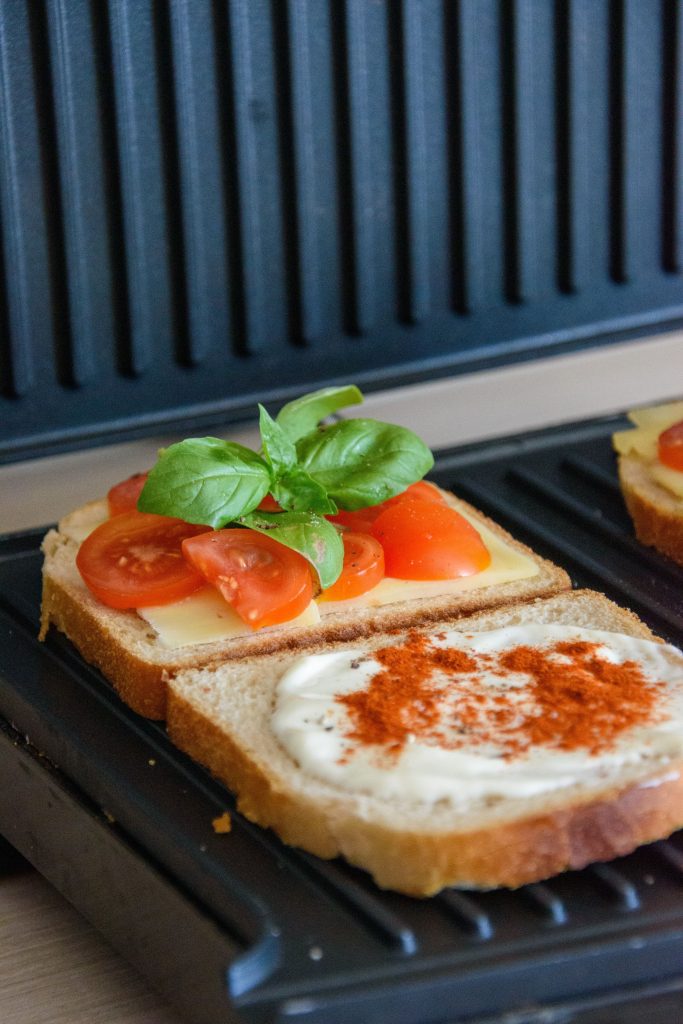
Mayonnaise is not optional, and it must be real. Its richness carries the tomato’s acidity the way cream carries coffee. Spread it generously on both slices, all the way to the edges. A thin, timid smear leaves dry corners and an unbalanced bite.
The mayo also performs a structural job most people never notice. That layer of fat waterproofs the bread against tomato juice for several minutes. It is the difference between a juicy sandwich and a soggy one. If you want to take this over the top, click here for my five minute homemade mayonnaise recipe.
Season the tomato slices directly, not the mayo. Sprinkle flaky salt and fresh cracked black pepper right onto the cut surfaces. Salt makes tomato flavor bloom instantly; you can literally taste it wake up. Do this right before assembly so the salt does not pull out too much juice ahead of time.
Slicing and Layering the Perfect Tomato Sandwich
Slice thick, somewhere between a quarter and half an inch. Thin slices disappear into the bread and lose their presence. A thick slab gives you that juicy, meaty center bite the sandwich is famous for. Use a sharp serrated knife so you saw cleanly through the skin without crushing the flesh.
Give the slices a brief rest on a paper towel, maybe two minutes. This drains the loose surface juice while keeping the interior succulent. You are not drying the tomato; you are just buying your bread some time. It is the same logic as patting a steak dry before searing.
Then assemble and eat immediately, standing over the sink if necessary. A tomato sandwich has a lifespan of about ten minutes before the bread surrenders. This is not a sandwich you pack for later. It is a sandwich you experience in the moment, juice running down your wrist, exactly as intended.
Savoring Tomato Sandwich Season All Summer Long
The tomato sandwich rewards repetition, so make it often while the season allows. I eat one for lunch several times a week from July through Labor Day and never tire of it. Part of the pleasure is knowing the window will close; scarcity is the seasoning no store can sell. Treat these next eight weeks like the gift they are. Here is how I stretch the season and keep it interesting.
Serving a Tomato Sandwich the Southern Way
In the South, this sandwich is practically a summer religion, and the rules are firm. White bread, Duke’s mayonnaise, salt, pepper, and nothing else. It gets eaten over the kitchen sink, often before lunch officially begins. I respect that purity completely.
Pair it with simple sides that do not compete. Cold sweet tea, potato chips, or a few pickle spears are all you need. The plate should stay humble because the sandwich is the star.
Serve it at your next cookout as an appetizer and watch people light up. Cut sandwiches into quarters and pile them on a platter. They vanish faster than anything off the grill.
Simple Tomato Sandwich Variations for Summer
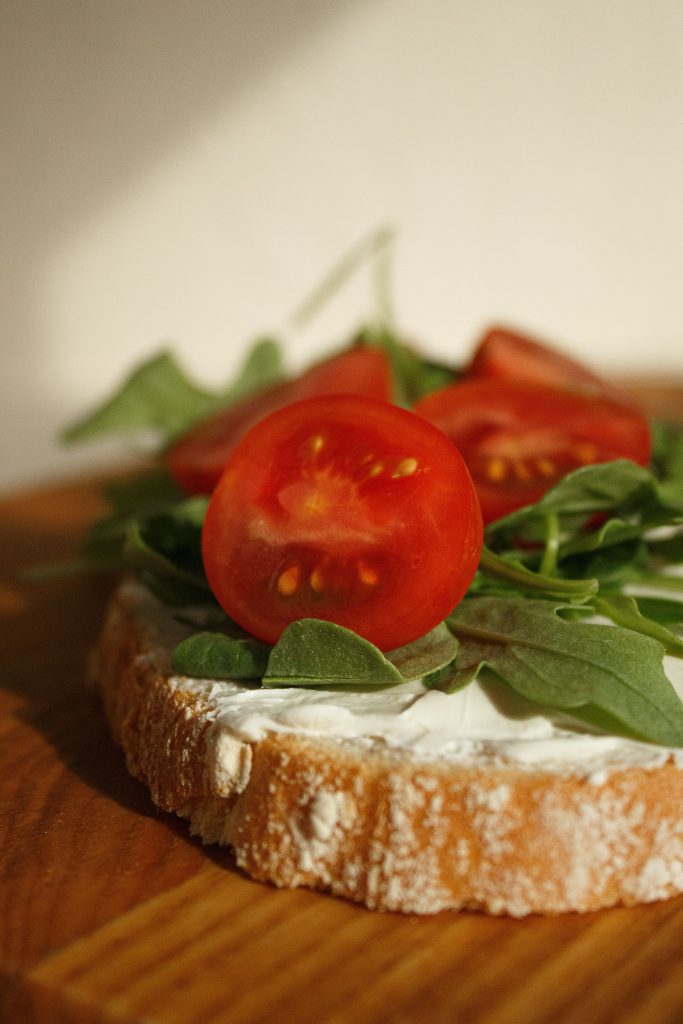
Once you have mastered the classic, a few gentle upgrades are allowed. A few torn basil leaves add perfume without stealing focus. Thin slices of sweet onion bring a pleasant bite. Add one variation at a time so the tomato stays in charge.
Bacon turns the tomato sandwich into its famous cousin, the BLT. Crisp bacon and cold lettuce make a fair trade for the extra effort. If that sounds like dinner tonight, click here for my ultimate summer BLT recipe.
Cheese lovers can add a slice of sharp cheddar or fresh mozzarella. Keep it to one thin layer, cold, straight onto the mayo. Melted cheese belongs on a different sandwich entirely.
Making Tomato Sandwich Season Last
Buy tomatoes in small batches every few days rather than one big haul. Ripe tomatoes only hold at their peak for two or three days on the counter. Store them stem side down, out of direct sun. Never let them near the refrigerator.
Slightly underripe tomatoes finish beautifully at home. Set them on a windowsill or in a paper bag and check daily. A banana in the bag speeds ripening with natural ethylene gas.
When September arrives, eat your last one slowly and make peace with the calendar. The wait is part of what makes this sandwich special. Some things are better because you cannot have them year round.