How to Stock a Pantry That Makes Weeknight Dinners Easier
A well stocked pantry is the difference between a calm Tuesday dinner and a frantic scroll through delivery apps. I learned this the hard way after years of buying random ingredients with no plan behind them. Once I started stocking my shelves with intention, my weeknight cooking got faster, cheaper, and honestly more fun. Summer makes this even easier because peak season produce needs very little help from you; a few smart staples turn a pile of tomatoes or zucchini into dinner in twenty minutes. Here is exactly how I stock a pantry that carries me through busy weeks. You do not need a big kitchen or a big budget to make it work.
Pantry Staples for Easy Weeknight Dinners
Every fast dinner I make starts with the same core group of pantry staples. These are the ingredients I never let run out because they form the backbone of dozens of meals. When my shelves hold these basics, I can shop for just a few fresh items and still cook something satisfying any night of the week. The goal is flexibility, not hoarding; a small, curated collection beats a cluttered cabinet every time. Think of these staples as your kitchen insurance policy against the question of what is for dinner.
Shelf Stable Pantry Staples for Easy Weeknight Dinners
Start with dried pasta, rice, and at least one quick cooking grain like couscous or quinoa. I keep long grain white rice for weeknights because it cooks in under twenty minutes and pairs with nearly everything. A box of spaghetti and a jar of good tomatoes can become dinner faster than delivery arrives. Couscous is my secret weapon in summer; it steams in five minutes and soaks up vinaigrettes beautifully. Stock two or three shapes of pasta so you always have the right one for the sauce you are craving.
Canned goods deserve real respect in a weeknight pantry. I always keep canned beans, whole peeled tomatoes, coconut milk, and tuna packed in olive oil on hand. Chickpeas alone can become crispy salad toppers, a quick curry, or a fast pasta with garlic and lemon. Whole peeled tomatoes are more versatile than diced or crushed because you can break them down however the recipe needs. If you want proof of how far a can of tomatoes can go, click here for my twenty minute pantry marinara recipe.
Do not forget the flavor builders that make simple food taste finished. Olive oil, a neutral oil, soy sauce, red wine vinegar, and honey cover almost every cuisine I cook at home. I also stock anchovy paste, dried chile flakes, and a jar of capers; these three add depth that tastes like you tried much harder than you did. Dried spices matter too, so keep cumin, smoked paprika, garlic powder, and dried oregano fresh and within reach. Replace ground spices about once a year because stale spices quietly sabotage good cooking.
Summer Pantry Staples for Easy Weeknight Dinners
Summer cooking rewards a slightly different pantry lineup, so I shift my staples with the season. Right now my shelves lean on ingredients that complement grilled food and raw produce. Good canned or jarred items like roasted red peppers, artichoke hearts, and olives turn a simple platter into an easy dinner with bread and cheese. I also stock extra vinegar in summer; bright acidity is what makes tomato salads, marinated vegetables, and grain bowls sing. A bottle of sherry vinegar or white balsamic earns its shelf space many times over.
Condiments do heavy lifting when the weather is hot and nobody wants to cook long. Mayonnaise, Dijon mustard, hot sauce, and tahini let me build sauces and dressings in about ninety seconds. Tahini whisked with lemon juice, garlic, and water becomes a dressing that works on grilled chicken, chopped cucumbers, or roasted eggplant. A quick mustard vinaigrette can dress pasta salad for a cookout or greens for a Tuesday night. Keep these in steady rotation and you will rarely buy bottled dressing again.
Finally, stock the summer specific extras that make seasonal produce shine. Cornmeal turns garden zucchini into crispy fritters, and panko breadcrumbs crisp up ripe tomato halves under the broiler. I keep nuts like almonds and pine nuts in the freezer so they stay fresh for salads and quick pestos. Dried fruit adds sweetness to grain salads when you want contrast against salty feta or briny olives. If pesto season has you inspired, click here for my five ingredient basil pesto recipe that freezes beautifully.
How to Organize a Pantry for Faster Weeknight Cooking
Stocking the right ingredients only helps you when you can actually find them. Pantry organization is what turns a cabinet of stuff into a system that speeds up dinner. I am not talking about matching containers and label makers, though those are fun if you enjoy them. I am talking about arranging your shelves so your hands land on what you need without thinking. A few simple habits here will shave real minutes off every meal you cook.
Pantry Organization Zones for Faster Weeknight Cooking
I organize my pantry into zones based on how I cook, not on how the packaging looks. My most used items live at eye level: oils, vinegars, salt, and the grains I reach for weekly. Baking supplies sit on a higher shelf because I bake far less often than I make dinner. Canned goods get their own zone with labels facing out so I can take inventory at a glance. Heavy items like bulk rice and big oil bottles stay low, which protects both your shelves and your toes.
Within each zone, I group ingredients by the meals they build together. My taco night items sit side by side; my pasta night items do the same. This sounds almost too simple, but grouping by meal means you can see dinner possibilities instead of scattered ingredients. When the tortillas, canned beans, and salsa live together, taco night suggests itself on a tired Thursday. Zones like this also reveal gaps before they become problems mid recipe.
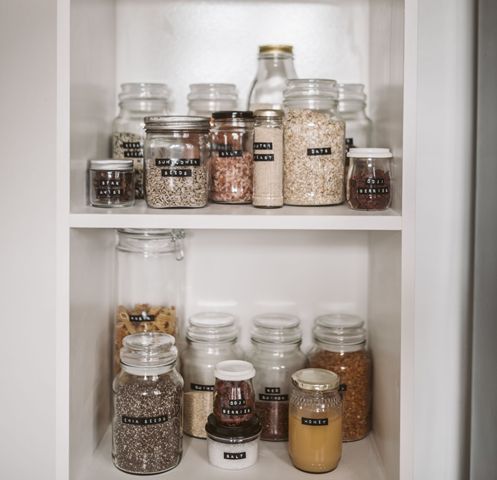
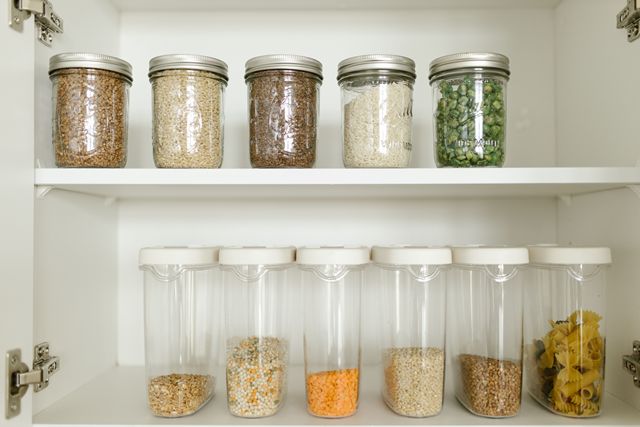
Clear containers earn their keep for anything you buy in bags. Rice, flour, pasta, and dried beans stay fresher and stack better once they are decanted. I can see quantities instantly, which means I never come home with a third bag of jasmine rice while the couscous sits empty. Cut the cooking instructions from the package and tape them to the container so you keep the important information. Square containers use shelf space more efficiently than round ones, so choose those when you can.
Pantry Labeling and Rotation Tips for Faster Weeknight Cooking
Rotation is the unglamorous habit that saves the most money in a working pantry. When I unload groceries, new cans and boxes go to the back while older ones move forward. Grocery stores call this first in, first out, and it works just as well at home. This one habit ends the sad discovery of expired coconut milk hiding behind newer purchases. It takes an extra thirty seconds during unloading and pays for itself constantly.
Labels matter most for the ingredients that look alike. All purpose flour and bread flour are identical in a jar; so are white sugar and kosher salt from across the kitchen. I write the name and the purchase date on a piece of tape, nothing fancier. Dates tell me at a glance which spices are losing their punch and which grains have been waiting too long. A pantry you can read is a pantry you will actually use.
Once a month, I do a five minute shelf audit before writing my grocery list. I pull anything nearing its date to the front and plan a meal around it that week. This keeps ingredients moving through the kitchen instead of aging in the dark. It also means my shopping list reflects what I truly need, which trims the grocery bill noticeably. Small maintenance beats a giant seasonal cleanout every single time.
Bringing Your Weeknight Dinner Pantry Together
A great pantry is built gradually, not in one expensive shopping trip. Add a few staples each week, organize as you go, and let your real cooking habits guide what earns shelf space. Within a month or two you will notice dinners coming together with less stress and less waste. The pantry becomes a quiet partner that makes you a faster, more confident cook. That confidence is the whole point.
Building Your Weeknight Dinner Pantry Over Time
Start by stocking staples for the three meals your household already loves. Master having those ingredients always ready before expanding into new territory. This approach guarantees your pantry serves your actual life instead of an aspirational one.
Next, add one new staple category each grocery trip. Maybe this week you pick up vinegars; next week you round out your dried spices. Slow building spreads the cost and helps you learn each ingredient properly. You will remember what you own because you chose it deliberately.
Pay attention to what runs out fast, because that data is gold. The items you replace most often deserve a permanent spot and maybe a backup. Anything untouched after three months probably does not belong in your rotation. Let your empty jars vote on what your pantry becomes.
Turning Your Weeknight Dinner Pantry Into Fast Meals
Practice a few pantry first meals until they become automatic. Beans and rice with a fried egg, garlicky pasta with capers, or coconut curry over couscous all come together from shelves alone. Knowing three of these by heart means dinner is never truly a question.
Pair pantry staples with whatever produce looks best at the market this week. Summer squash, corn, peppers, and tomatoes all love the staples you have stocked. The pantry provides the structure while the season provides the star. For a dinner that proves this point, click here for my one pot summer tomato and white bean pasta recipe.
Give yourself permission to cook simply on busy nights. A well stocked pantry exists to lower the pressure, not raise the bar. Some of my favorite dinners are four ingredients and fifteen minutes. Stock smart, stay organized, and let your shelves do the heavy lifting.