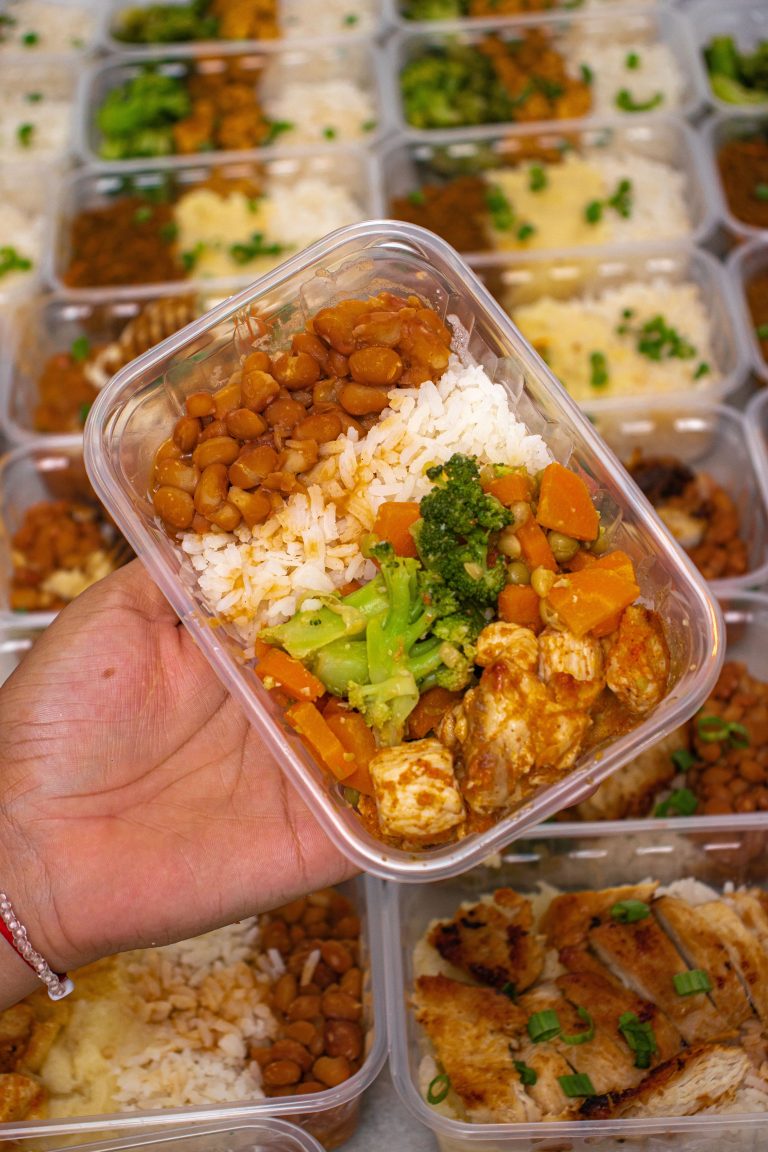
How to Pair Side Dishes with Chicken, Beef, Pork, and Seafood
I used to put all my energy into the main dish and then panic ten minutes before dinner, staring into the fridge, wondering what on earth to serve alongside it. Sound familiar? For years my answer was “I guess we’re having plain rice again,” and my beautiful centerpiece protein sat on the plate looking a little lonely.
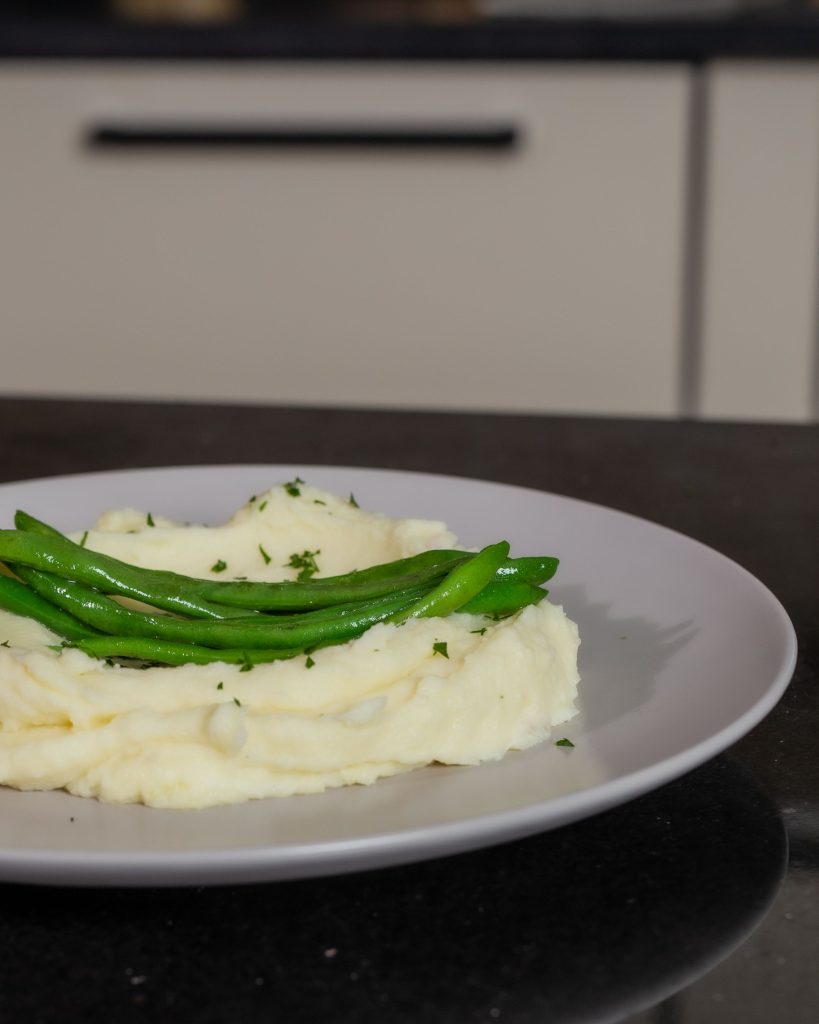
Here’s the thing I wish someone had told me sooner: pairing a side dish isn’t guesswork, and it isn’t about memorizing a giant list of rules. It comes down to a few simple ideas about balance. Once those click, you can look at any protein you’re cooking and know instantly what belongs next to it. Let me walk you through the way I think about it now, and then break it down protein by protein so you never freeze in front of that fridge again.
The simple framework behind every great pairing
Before we get to specific proteins, let me give you the four questions I run through in my head. Answer these and the side almost picks itself.
1. Does it need brightness? Rich, fatty, or heavy dishes are begging for something acidic or fresh to cut through them. A creamy pasta wants a crisp, lemony salad next to it. A fatty cut of beef loves a sharp, vinegary side. Acid and freshness reset your palate between bites so the richness stays exciting instead of becoming heavy halfway through the plate.
2. Do the weights match? A delicate piece of fish gets bullied by a dense, heavy casserole, and a hearty braised beef looks silly next to three lettuce leaves. Try to match the substance of the side to the substance of the main so neither one gets lost.
3. Is there textural contrast? This is the secret weapon. Crispy against creamy, crunchy against tender. If your main is soft (think a saucy braise), a side with crunch wakes the whole plate up. If your main is crisp (like fried chicken), something smooth and creamy alongside is pure comfort.
4. Do the flavors belong in the same world? You don’t need everything to match exactly, but a Cajun main and an Italian side can feel like they’re arguing. Keeping your side in roughly the same flavor family as your main, or at least in a neighboring one, makes the meal feel intentional.
There’s also a formula worth keeping in your back pocket: protein plus a starch plus a vegetable. Not every meal needs all three, and plenty of my “loaded” one-pan dishes are a complete meal on their own. But when you’re building a plate from scratch and feel stuck, that trio is a reliable place to start.
Now let’s put it to work.
Sides for chicken
Chicken is the chameleon of the protein world. It’s mild and friendly, which means it pairs with almost anything, so your real job is to match the side to how the chicken is cooked rather than to the chicken itself.
For creamy or rich chicken dishes, reach for something bright and green to cut the richness. A crisp salad with a lemony vinaigrette, garlicky sauteed green beans, or roasted asparagus all pull their weight here. If you’re serving something like a Creamy Tuscan Garlic Chicken with Parmesan Gnocchi, a simple arugula salad with lemon is the perfect foil: it keeps that decadent sauce feeling like a treat rather than a heavy blanket.
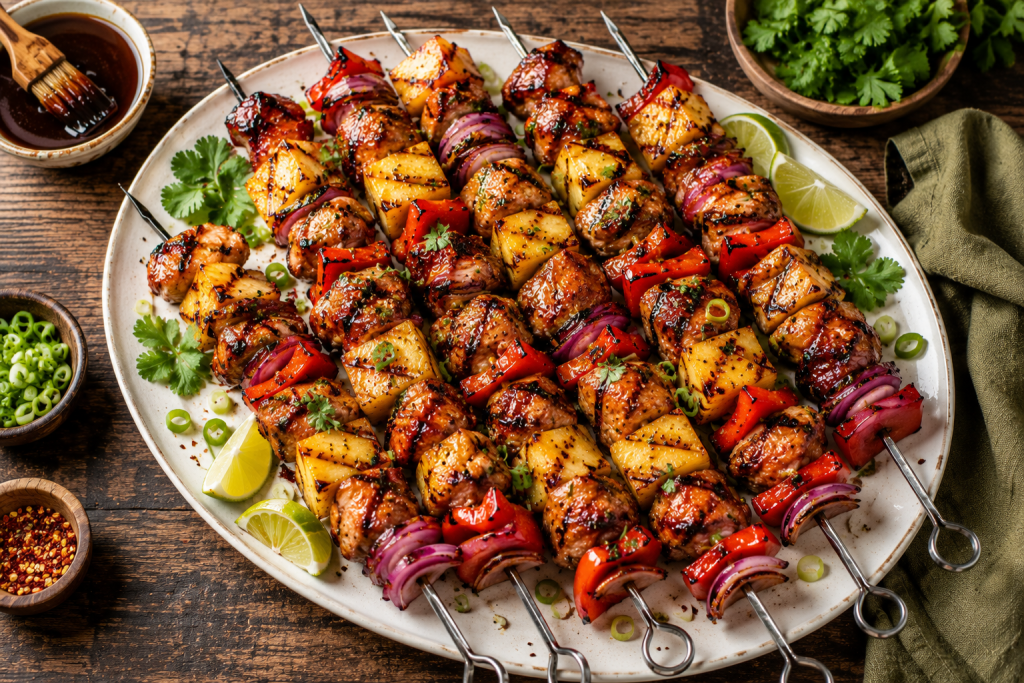
For grilled or lighter chicken, you have room to add substance. Fluffy rice, a grain salad, roasted potatoes, or a sweet-and-tangy slaw all work beautifully. Something like Grilled Pineapple Chicken Skewers pairs wonderfully with coconut rice or a crunchy slaw that echoes the sweet-savory vibe.
For spicy or fried chicken, cooling and creamy is the move. Think a cool ranch-dressed salad, creamy coleslaw, or mac and cheese. When the main brings the heat, the side should offer relief.
Sides for beef
Beef is bold, rich, and full of character, so your sides need to either stand up to it or cleanly cut through it. There’s rarely a middle ground, and both directions work.
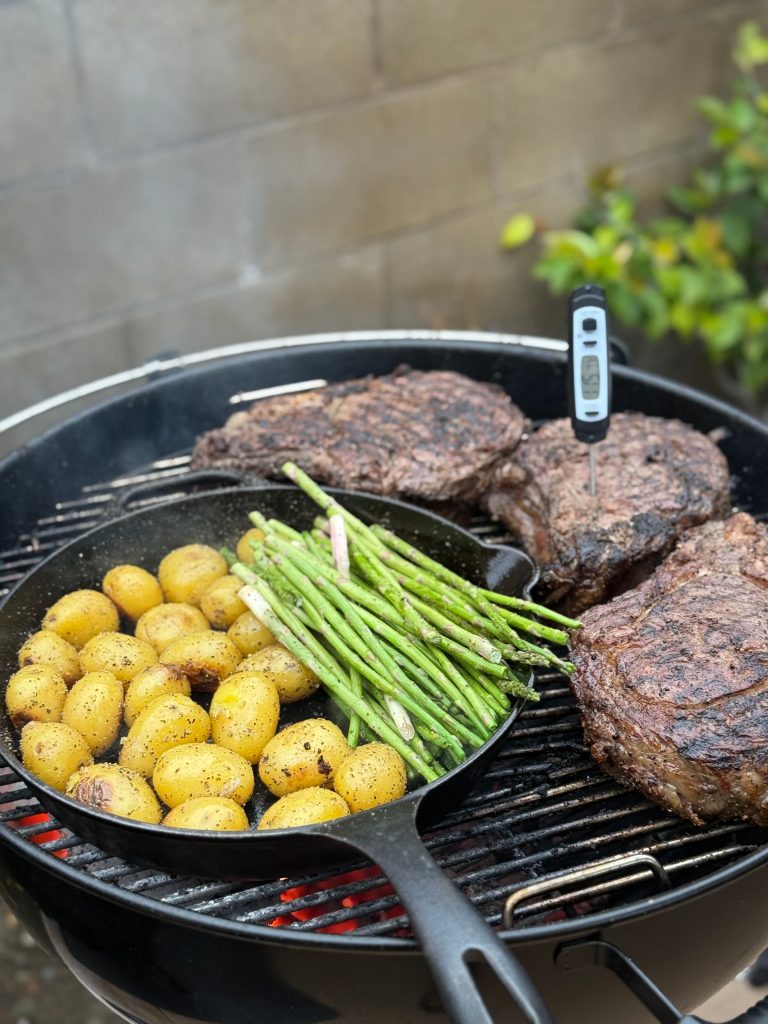
To stand up to it, lean into hearty, classic partners: roasted or mashed potatoes, a loaded baked potato, buttery egg noodles, or a robust roasted vegetable like carrots or mushrooms. These are the sides that feel right next to a steak or a braise and can hold their own against all that flavor.
To cut through it, bring acid and sharpness. A crisp salad with a punchy vinaigrette, a horseradish-spiked slaw, or quick-pickled onions all slice right through the richness of beef and keep every bite lively. This is exactly why steakhouses serve a wedge salad next to a fatty ribeye.
A quick note on your own recipes: some of your beef dishes, like a BBQ Brisket Loaded Cheese Fries, already have the starch built right in, so they don’t need much beyond a sharp, vinegary side salad to balance all that richness. When the main is already loaded, keep the side light and bright.
Sides for pork
Pork has a natural affinity for two things: sweetness and acidity. There’s a reason pork and apples, pork and mustard, and pork and tangy barbecue are such classic combinations. That built-in preference makes your side choices pretty intuitive once you know to look for it.
On the sweet side, think roasted root vegetables (their natural sugars caramelize beautifully), applesauce, honey-glazed carrots, or grilled stone fruit. These play right into pork’s slightly sweet nature.
On the acidic side, cabbage in all its forms is pork’s best friend: a tangy slaw, braised red cabbage, or sauerkraut. A vinegary bean salad or quick pickles do the same job, cutting through pork’s richness and brightening every bite.
For texture and a little indulgence, Hot Honey Bacon Brussels Sprouts would be a fantastic partner to a pork main, since that hot-honey sweetness and the crispy edges hit pork’s sweet-and-savory sweet spot perfectly.
Sides for seafood
Seafood is where balance matters most, because most fish and shellfish are delicate and easily overwhelmed. The guiding principle: keep the sides light, fresh, and bright so they support the seafood rather than steamroll it.
For lighter, flaky fish, stay in the fresh-and-crisp lane: a citrusy green salad, roasted asparagus or green beans, lemony rice, or a chilled cucumber salad. Bright and clean lets the fish stay the star.
For richer seafood dishes, and you have several, the rules flip a little. A creamy, indulgent seafood dish actually needs a crisp, acidic side to balance it, the same way a rich chicken dish does. Something like a Cajun Shrimp Alfredo Stuffed Shells is luxurious and heavy, so a simple green salad with a sharp vinaigrette or some garlicky broccolini keeps it from feeling too much.
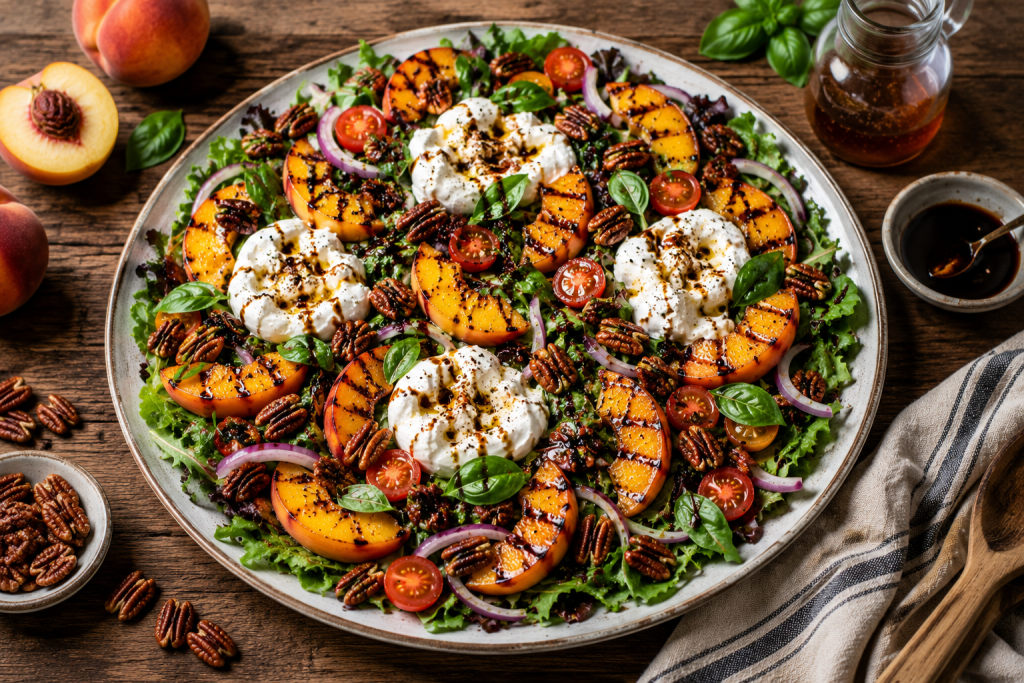
Grilled Peach Burrata Salad with Candied Pecans is a phenomenal side in its own right. That sweet-savory, creamy-crunchy combination would sit beautifully next to a piece of grilled or blackened fish, bringing brightness and texture in one dish.
Your quick pairing cheat sheet
When you’re in a hurry, here’s the short version to keep in your head:
- Rich main? Add a bright, acidic side.
- Light main? You can add something with more substance.
- Soft main? Add crunch.
- Crispy main? Add something creamy.
- Chicken: match the side to how it’s cooked.
- Beef: go hearty, or go sharp and acidic.
- Pork: lean into sweet and tangy.
- Seafood: keep it fresh, light, and bright.
That’s really the whole thing. Pairing sides stops being a stressful afterthought the moment you start thinking in terms of balance instead of trying to memorize which foods “go together.” Cook the same way for a few weeks and it becomes second nature. Before long, you’ll glance at whatever’s in the pan and just know what belongs beside it. That instinct is one of the most satisfying parts of getting comfortable in your own kitchen.