Fresh vs. Dried Herbs: When to Use Each One
Somewhere in your kitchen right now, there’s probably a little jar of dried basil that’s been there since a presidency ago, and maybe a sad half-bunch of fresh parsley slowly turning to soup in the fridge. I know this because that was my kitchen for years. I treated fresh and dried herbs as interchangeable (grab whichever one I had), and I never understood why my food sometimes tasted muddy and flat when the recipe promised bright and fragrant.
Here’s what finally clicked for me: fresh and dried herbs aren’t two versions of the same thing. They’re two different ingredients with different jobs, different timing, and different strengths. Once you understand when to reach for each, you stop wasting money on herbs that wilt before you use them, and your food starts tasting the way you always hoped it would. Let me save you the years it took me to figure this out.
Why fresh and dried herbs behave so differently
The flavor in an herb comes from its volatile aromatic oils. “Volatile” means they evaporate easily, especially with heat. That single fact explains almost everything about how to use them.
Fresh herbs are full of water and those delicate, fleeting oils. That’s what gives them their bright, green, lively flavor, but it’s also why that flavor vanishes so quickly when it hits high heat. Fresh herbs are a top note. They lift a dish and make it taste alive.
Dried herbs have had their water removed, which concentrates and deepens what’s left. The flavor becomes earthier, warmer, and far more potent by volume, but it needs time and moisture to wake back up. Dried herbs are a base note. They build depth from the bottom of the dish.
Neither one is better. They’re just built for different moments in your cooking. Understanding that is the whole game, and everything below flows from it.
The golden rule of timing
If you remember nothing else from this post, remember this:
Add dried herbs early. Add fresh herbs late.
Dried herbs need heat, time, and usually some liquid to rehydrate and release their flavor. Toss dried oregano or thyme into a sauce, soup, or braise near the beginning so it has 20-plus minutes to soften and bloom into the dish. Add it at the end and you’ll get gritty, dusty little flecks that never fully integrate.
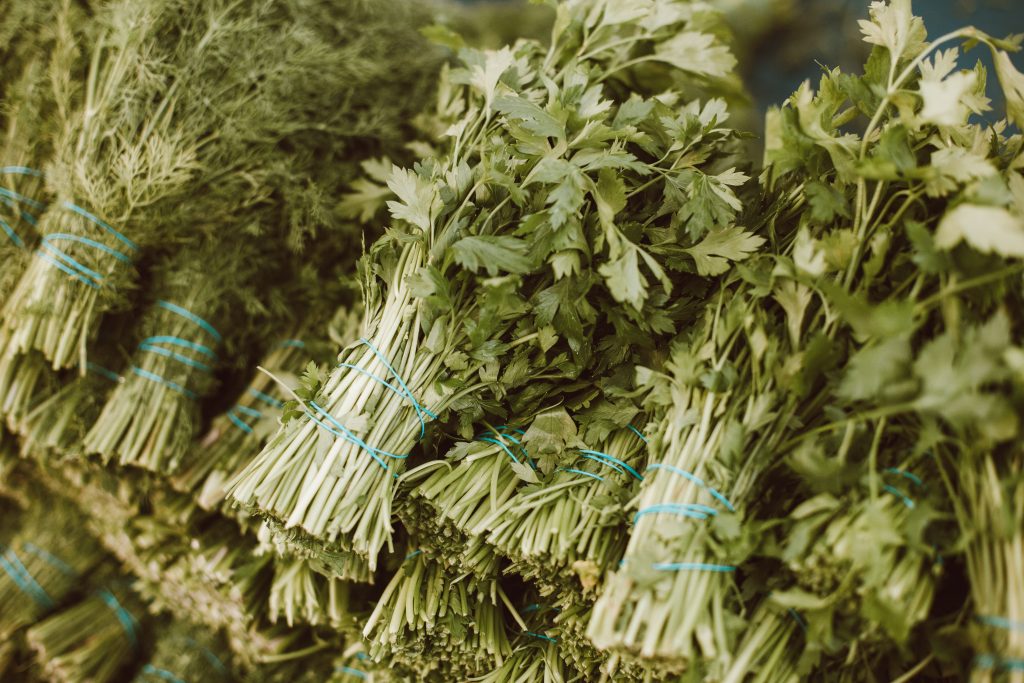
Fresh herbs are the opposite. Their bright flavor is fragile, so heat and long cooking will cook it right out, leaving you with limp green bits and none of the aroma you wanted. Stir tender fresh herbs in during the last minute or two, or scatter them on top right before serving. That basil torn over the top of a [link to your Grilled Peach Burrata Salad with Candied Pecans] does its best work raw and untouched by heat. Cook it and you lose the very thing that makes it special.
There’s one more pro move worth knowing: blooming dried herbs in a little hot oil or butter for 30 seconds before adding liquid. Because those concentrated flavors are fat-soluble, a quick sizzle in fat unlocks them beautifully. It’s a small step that makes a big difference in soups and sauces.
The conversion ratio you’ll actually use
Because dried herbs are so much more concentrated, you never swap them one-for-one. The reliable rule of thumb:
1 tablespoon fresh herbs = 1 teaspoon dried herbs
That’s a 3-to-1 ratio, fresh to dried. So if a recipe calls for a tablespoon of fresh thyme and all you have is dried, use a teaspoon. Go one-for-one and you’ll flatten the whole dish under an avalanche of dried herb.
It works in reverse, too: if a recipe wants a teaspoon of dried and you’ve got fresh, triple it. And as always, taste as you go. The ratio gets you close; your palate gets you the rest of the way.
The distinction that matters most: hardy vs. tender
Here’s the framework that made everything finally make sense to me. Herbs fall into two families, and knowing which is which tells you almost instantly how to treat them.
Hardy (woody) herbs have tough, sturdy leaves and often woody stems: rosemary, thyme, oregano, sage, marjoram, and bay. These herbs can take the heat. They stand up to long cooking, which means they work beautifully both fresh and dried, and they’re the ones that actually dry well without losing their soul. A sprig of hardy thyme can simmer for an hour in a [link to your French Onion Beef & Noodle Skillet] and only get better for it.
Tender (soft) herbs have delicate, leafy greens and high water content: basil, cilantro, parsley, dill, chives, mint, and tarragon. These are the divas. They’re at their glorious best fresh and added late, and they mostly dry terribly. Dried basil and dried parsley lose so much flavor in the drying process that they’re a pale shadow of the real thing. If a recipe leans on one of these as a headline flavor, it’s almost always worth buying it fresh.
Commit that one distinction to memory (hardy herbs are flexible, tender herbs want to be fresh), and you’ll make the right call the vast majority of the time.
Which herbs to buy fresh, and which to keep dried
Let me get practical, because nobody wants to buy twelve fresh herbs that rot in a week. Here’s how I actually stock my kitchen.
Worth buying fresh (most of the time): basil, cilantro, parsley, dill, mint, chives, and tarragon. These tender herbs simply don’t have a good dried version, so when a dish is built around them, fresh is the move.
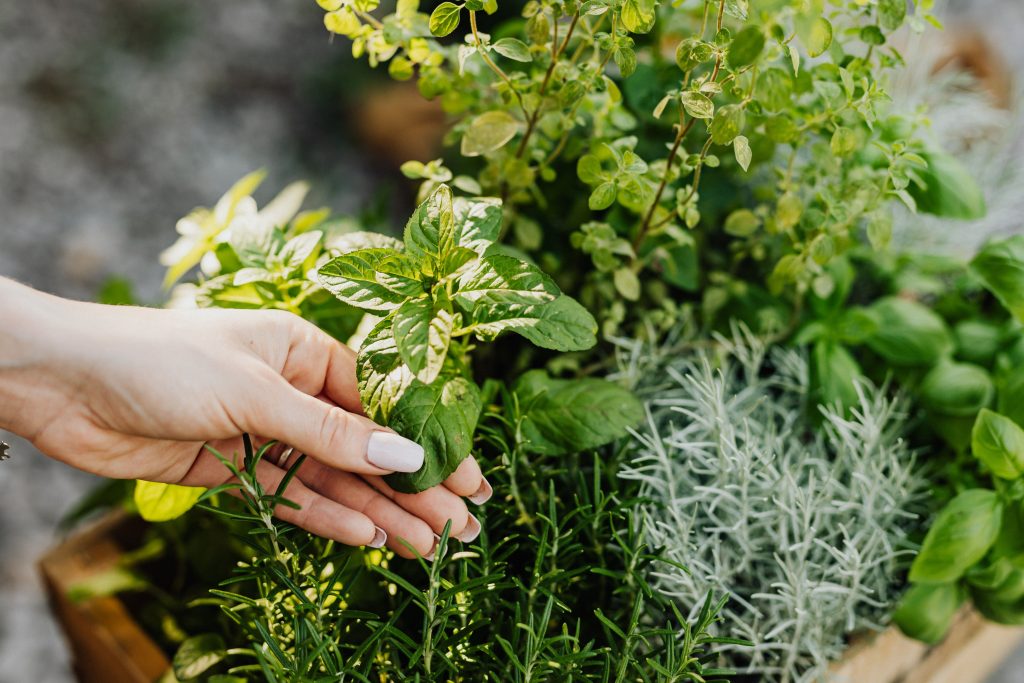
Perfectly fine, sometimes even better, dried: oregano, thyme, rosemary, sage, marjoram, and bay leaves. These hardy herbs dry well and keep for months. In fact, dried oregano is one of the rare cases where the dried version is arguably more useful than fresh for a lot of Mediterranean and Italian cooking; it’s got a concentrated punch that fresh oregano can’t quite match. And bay leaves are almost always used dried; you’ll rarely see the fresh version.
The move I’d recommend: keep a small, well-stocked shelf of dried hardy herbs and blends for everyday cooking. This is where a good Cajun or Italian seasoning earns its keep, simmering into something like [link to your Cajun Shrimp Alfredo Stuffed Shells]. Then buy tender fresh herbs as you need them for specific recipes. That way you’re never without the basics, and you’re not throwing money in the compost bin every week.
When you can swap, and when you really shouldn’t
You can usually swap dried for fresh among the hardy herbs without anyone noticing, as long as you use the 3-to-1 ratio and add the dried version early enough to bloom. Dried thyme, oregano, and rosemary all slot in nicely.
Where I’d tell you to hold off: don’t lean on dried versions of the tender herbs when they’re the star. Dried basil in a fresh caprese or dried cilantro in a bright salsa just won’t deliver. You’ll get the idea of the herb without the joy of it. In those cases, either use fresh or pick a different recipe. It’s better to skip a garnish than to muddy the dish with a sad dried substitute.
And a note on garnishes: that final scattering of fresh herbs on top isn’t just for looks. It adds a fresh, aromatic top note that a fully cooked dish has lost, which is exactly why so many recipes finish with a handful of parsley or a few torn basil leaves. Don’t skip it. It’s the difference between a dish that tastes finished and one that tastes flat.
How to store each one so it lasts
Dried herbs live in a cool, dark, dry spot, away from the heat of the stove, despite how convenient that shelf feels. They don’t spoil, but they do fade: most lose their punch after about a year. A quick test: crush a pinch in your palm and smell it. If you get little to no aroma, it’s lost its magic and it’s time to replace it. (That ancient basil jar? Go check it. I’ll wait.)
Fresh tender herbs (parsley, cilantro, dill) last longest treated like a bouquet: trim the stems, stand them in a glass with an inch of water, and loosely cover with a bag in the fridge. Basil is the exception: it hates the cold and turns black, so keep it on the counter in water like flowers. Hardy fresh herbs like rosemary and thyme do well wrapped in a slightly damp paper towel in the fridge.
The bottom line
You don’t have to choose a side in the fresh-versus-dried debate, because there isn’t one. A well-run kitchen uses both: dried hardy herbs to build deep flavor from the start, fresh tender herbs to brighten and finish. Get the timing right (dried early, fresh late), remember the 3-to-1 ratio, and lean on the hardy-versus-tender distinction when you’re not sure, and you’ll never stand frozen in front of your spice rack again.
Start paying attention to when your recipes add herbs, and you’ll begin to see the logic behind it everywhere. That’s the moment a rule turns into instinct, and instinct is what cooking is really made of.