How to Pick a Butternut Squash and What to Actually Do With It
Butternut squash starts showing up at farm stands in late summer, and the first ones of the season always excite me. Then I watch shoppers pick one up, knock on it uncertainly, and put it back like it might bite. I get it; a whole butternut squash looks intimidating from the outside. The truth is that picking a great one takes about ten seconds once you know the signs. Cooking it is even easier, and the payoff is sweet, nutty, caramelized gold. Let me show you how to choose a winner and turn it into dinner.
How to Pick a Butternut Squash at the Store or Farm Stand
Choosing a good butternut squash comes down to color, weight, skin, and stem. Those four checkpoints tell you nearly everything about ripeness and quality before you ever cut it open. A great squash feels heavy, looks matte, and wears a solid tan coat with no green streaks. A bad one announces itself with shine, soft spots, or a missing stem. I run through this checklist every single time, and it has not failed me yet.
Signs of a Ripe Butternut Squash When You Pick It
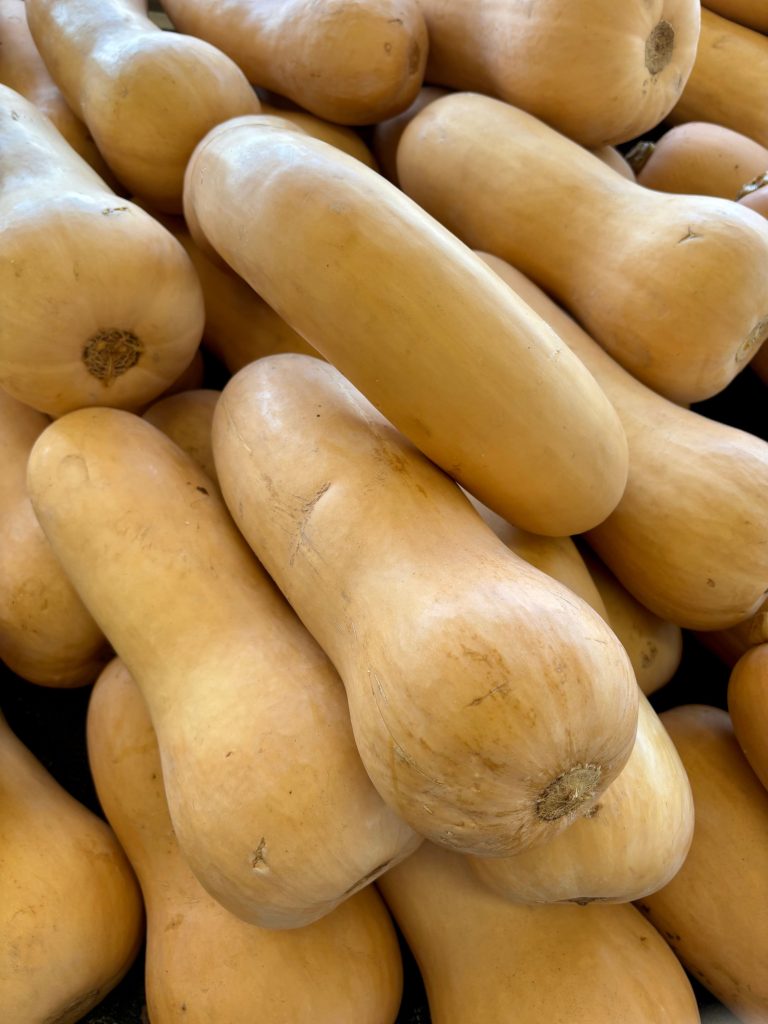
Color is your first clue when you pick a butternut squash. Look for a deep, even tan or beige across the entire surface. Green streaks or patches mean the squash was harvested too early, and it will taste bland and starchy instead of sweet. The color should also look matte rather than glossy. A shiny skin signals immaturity, since butternut squash loses its sheen as it ripens fully on the vine.
Weight tells you the second half of the story. Pick up two squash of similar size and choose the heavier one every time. Heaviness means dense, moist flesh and a smaller seed cavity, which translates to more usable squash per pound. A light squash has often lost moisture in storage; the flesh inside will be dry and stringy. I bounce squash between my hands at the market like I am comparing melons, and nobody has stopped me yet.
Finally, inspect the skin and stem before committing. The skin should be hard enough that your fingernail cannot easily pierce it. Soft spots, cuts, or moldy patches invite rot and shorten storage life dramatically. The stem should be intact, dry, and corky; a missing stem leaves an open door for bacteria. A solid two inch stem is the mark of a squash that was harvested with care.
Where and When to Pick a Butternut Squash for Best Flavor
Timing matters more than most cooks realize when you pick a butternut squash. Peak season runs from late summer through early winter, with the first local harvests arriving in August and September. Squash bought in season comes from nearby farms and spends less time in storage. That freshness shows up as sweeter, denser flesh on your plate. Off-season squash often traveled far and sat in warehouses for months.
Farm stands and farmers markets are my favorite hunting grounds. Growers there can tell you exactly when the squash came off the vine, and recently cured squash has the best balance of sweetness and texture. Curing is a short rest period after harvest that converts starches to sugars. Ask your farmer about it; most love talking shop. Grocery store squash works fine too, as long as you apply the same color and weight tests.
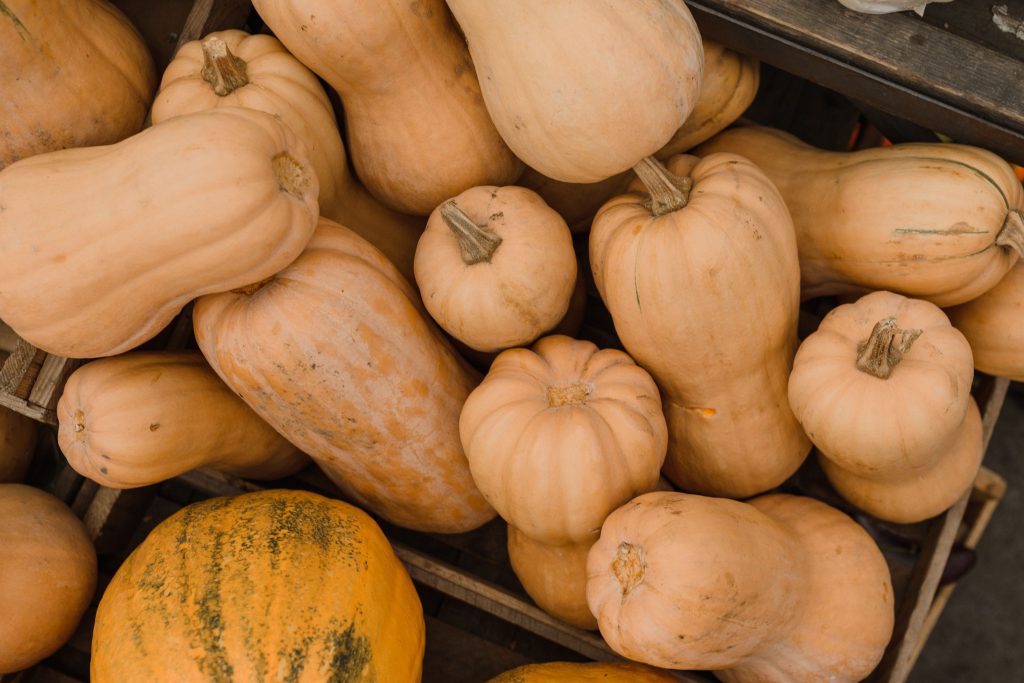
Size deserves a quick word, because bigger is not better here. Medium squash, around two to three pounds, offer the best flavor and the least stringiness. The long neck holds solid flesh with no seeds, so a squash with a longer neck and smaller bulb gives you more bang for your buck. Giant squash tend toward watery, bland flesh. Choose modest and eat well.
What to Actually Do With a Butternut Squash Once You Get It Home
A butternut squash on the counter is a promise, not a problem. Stored whole in a cool, dry spot, it keeps for one to three months, so there is no rush. When you are ready to cook, two skills unlock everything: breaking it down safely and roasting it properly. Master those and you can take the squash in a dozen directions, from soup to salads to pasta. Here is exactly how I handle mine.
How to Cut and Prep a Butternut Squash Safely
Safety comes first, because a rock hard squash and a slipping knife are a bad combination. Start by slicing off both ends to create flat, stable surfaces. Then stand the squash upright and cut it in half where the neck meets the bulb. Two smaller pieces are far easier to control than one long, wobbly vegetable. A sharp chef knife matters here; dull knives slip, and slipping causes accidents.
Here is my favorite shortcut for stubborn squash: microwave it whole for two to three minutes first. Pierce the skin a few times with a fork, zap it, and let it cool briefly. That short blast softens the skin just enough to make cutting dramatically easier. Peeling goes faster too, and a sturdy Y-shaped vegetable peeler handles the job in long strips. Scoop the seeds from the bulb with a spoon and save them; they roast up crunchy just like pumpkin seeds.
Cut the flesh according to your plans for it. One inch cubes roast evenly and work in soups, grain bowls, and sheet pan dinners. Half inch cubes cook faster for weeknight hash. Long planks or half moons make gorgeous presentation pieces. Prepped cubes keep in the refrigerator for about five days, so I often break down a whole squash on Sunday. If knife work still feels shaky, click here for my beginner knife skills guide to build confidence fast.
Best Ways to Cook a Butternut Squash for Maximum Flavor
Roasting is the single best thing you can do with a butternut squash. High heat caramelizes the natural sugars and concentrates that nutty sweetness. Toss cubes with olive oil, salt, and pepper, then spread them in a single layer on a sheet pan. Roast at 425 degrees for 25 to 35 minutes, flipping once, until the edges are deeply browned. Crowded pans steam instead of caramelize, so give the cubes room to breathe.
Soup is the classic move, and roasted squash makes it better. Blend roasted cubes with sautéed onion, garlic, broth, and a splash of cream for a velvety result in minutes. A pinch of nutmeg or a spoonful of curry paste takes it somewhere special. Craving the full method? Click here for my creamy roasted butternut squash soup recipe. It freezes beautifully, which makes it perfect for meal prep.
Do not stop at soup, though. Roasted squash cubes shine in salads with kale, dried cranberries, and toasted pecans. Mashed squash stands in for pumpkin in muffins and quick breads. Cubes tossed with brown butter, sage, and pasta make a restaurant worthy dinner in twenty minutes. One squash, one roasting session, and you have building blocks for half the week.
Bringing Butternut Squash Confidence Into Your Kitchen
Picking and cooking butternut squash is a skill you now own. Check the color, feel the weight, inspect the skin, and confirm the stem; then break it down safely and roast it hot. Every step is simple on its own, and together they turn an intimidating gourd into effortless dinners. Confidence in the produce aisle spills over into confidence at the stove. Here is how to lock these skills in for good.
Butternut Squash Practice Habits That Build Skill
Buy one squash every week during peak season. Repetition makes the selection checklist automatic within a month. Your hands learn what proper heaviness feels like faster than any description can teach. Soon you will spot the best squash in the bin from three feet away.
Try one new preparation each week too. Roast the first squash, blend the second into soup, and toss the third with pasta. Variety keeps the vegetable exciting and expands your weeknight repertoire. By November, butternut squash will feel as familiar as potatoes.
Keep quick notes on what worked. Record the roasting time, the size of your cubes, and how the flavor landed. Small adjustments compound into consistently great results. A stained notebook beats a perfect memory every time.
Butternut Squash Troubleshooting for Home Cooks
Bland squash usually means it was picked too early or roasted too gently. Look for that deep tan color at the store next time. In the kitchen, raise the oven temperature and let the edges truly brown. Caramelization is where the flavor lives.
Stringy or watery flesh points to an oversized or old squash. Choose medium squash with long necks going forward. If you are stuck with a watery one, blend it into soup where texture matters less. No squash needs to go to waste.
Mushy roasted cubes mean the pan was overcrowded or the cubes were cut unevenly. Use two sheet pans if needed and keep your cubes uniform. Flip once at the halfway mark for even browning. Simple mechanics deliver golden, crispy edges every time.