Why Your Homemade Salsa Tastes Flat and What to Add to Brighten It
You chopped ripe tomatoes, diced a jalapeño, and stirred in onion, yet somehow the bowl tastes like watery nothing. I have been there more times than I can count, and the fix is almost never more ingredients. Flat salsa is nearly always a seasoning problem, an acid problem, or a timing problem. Summer tomatoes are hitting their peak right now, so this is the perfect moment to sharpen your salsa skills. Once you understand why salsa goes dull, you can rescue any batch in under two minutes. Grab a spoon and taste along with me.
Why Homemade Salsa Tastes Flat: The Most Common Salsa Mistakes
Before you can brighten a dull salsa, you need to know what drained the life out of it in the first place. In my kitchen, flat salsa almost always traces back to two culprits: underseasoned tomatoes and missing acid. Tomatoes are mostly water, and water dilutes everything you add to the bowl. Skipping salt or lime compounds the problem, because those two ingredients are what make tomato flavor pop. Let me walk you through both mistakes so you can spot them in your own kitchen.
Underseasoned Tomatoes Make Homemade Salsa Taste Flat
Most supermarket tomatoes are bred for shipping, not for flavor, and they arrive at your cutting board tasting faintly of nothing. Even gorgeous summer tomatoes from the farmers market need help; their natural sugars and glutamates stay muted until salt unlocks them. Salt is not just a seasoning here. It is a flavor amplifier that makes tomatoes taste more like themselves. A salsa without enough salt will always read as flat, no matter how beautiful the produce.
Here is my rule: salt the tomatoes first, before anything else goes in the bowl. Dice them, sprinkle with kosher salt, and let them sit for ten minutes. The salt draws out excess water, which you can drain off, and it concentrates the tomato flavor left behind. This one habit fixes watery, diluted salsa better than any fancy ingredient ever could. It costs you nothing but a short wait.
Taste as you go, because salt needs vary wildly between tomato varieties. Romas need less draining than juicy beefsteaks; cherry tomatoes barely need any. Add a pinch, stir, taste, and repeat until the tomato flavor suddenly blooms on your tongue. You will know the moment it happens. If you want a foolproof base to practice on, click here for my restaurant style blender salsa recipe.
Skipping Acid Makes Homemade Salsa Taste Flat
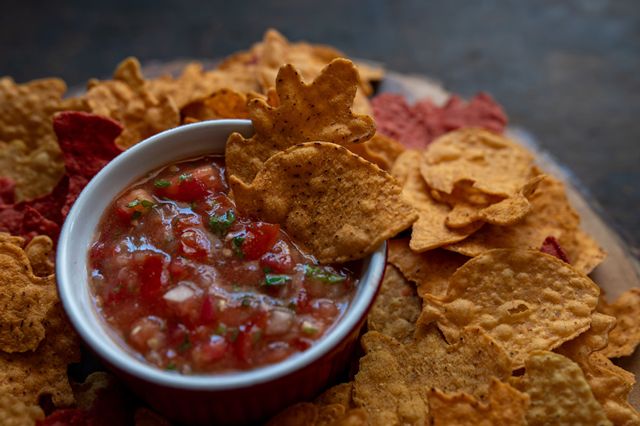
Acid is the difference between salsa that sparkles and salsa that sits there. Tomatoes contain natural acidity, but modern varieties often lean sweet and mild, so the raw fruit rarely brings enough tang on its own. Your palate perceives acid as brightness, freshness, and energy. Without it, even perfectly salted salsa tastes heavy and one dimensional. This is the mistake I see most often when friends ask me to troubleshoot their batch.
Lime juice is the classic choice for good reason, and fresh matters enormously here. Bottled lime juice tastes cooked and slightly bitter because pasteurization destroys the volatile citrus oils. One fresh lime usually gives you two tablespoons of juice, which is enough to wake up about two cups of salsa. Squeeze it in, stir, and taste the transformation. The change is immediate and honestly a little thrilling.
Timing matters too, because acid fades as salsa sits. A batch made in the morning will taste duller by dinner, even in the fridge. I always reserve a little lime to add right before serving. Think of that final squeeze as the finishing move; it refreshes everything in the bowl. Restaurants do this constantly, and it is why their salsa tastes so alive.
What to Add to Brighten Flat Homemade Salsa
Now for the fun part: the actual fixes. When a batch tastes flat, I run through a short mental checklist of brightening ingredients, adding one at a time and tasting between each. The order matters, because salt and acid solve most problems before you ever reach for anything exotic. Fresh herbs, a touch of heat, and even a pinch of sugar round out the toolkit. Here is exactly what I add and when.
Fresh Lime Juice and Vinegar Brighten Flat Homemade Salsa
Start with fresh lime juice, half a lime at a time. Stir it in completely, wait thirty seconds, then taste with a chip rather than a spoon, since the chip adds its own salt. If the salsa perks up but still feels sleepy, add the other half. Lime brings both acidity and aromatic citrus oil from the little spritz of the peel, which is why I squeeze directly over the bowl. Most flat salsas are fixed by this step alone.
Vinegar is my secret backup when lime is not enough or not available. A teaspoon of white vinegar or apple cider vinegar adds clean, sharp acidity without changing the flavor profile much. Many beloved jarred salsas rely on vinegar, which is partly why they taste so punchy. Go slowly; vinegar is stronger than lime and easy to overdo. A teaspoon at a time keeps you safe.
For roasted or cooked salsas, acid matters even more because heat mellows brightness. Fire roasted tomatoes and charred peppers taste rich and smoky, but they lose their fresh tang in the process. I add lime after cooking, never before, so the citrus stays vivid. If smoky flavors are calling your name this summer, click here for my roasted tomatillo salsa verde recipe.
Salt, Fresh Herbs, and Heat Brighten Flat Homemade Salsa
If acid did not fully solve the problem, revisit salt. Add a small pinch of kosher salt, stir well, and taste again. Salt and acid work as a team; each makes the other more effective, so adjusting one often means readjusting the other. Keep the additions tiny, because you can always add more but you can never take it back. This back and forth is exactly how professional cooks season everything.
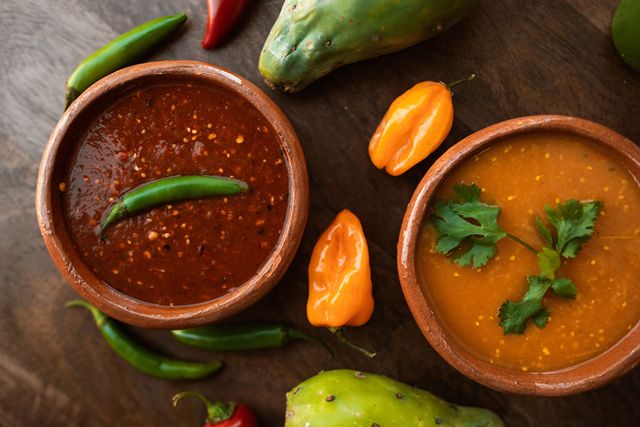
Fresh cilantro is the next brightener in line, and it should always go in at the end. Chopped cilantro loses its perfume within an hour of cutting, so a fresh handful stirred in before serving delivers a burst of green, citrusy aroma. If cilantro tastes soapy to you, fresh flat leaf parsley with extra lime zest works beautifully instead. A tablespoon of finely minced white onion, rinsed under cold water to tame its bite, adds sharpness too. These aromatics give salsa its lively top notes.
Finally, consider heat and a whisper of sweetness. Capsaicin from fresh jalapeño or serrano literally wakes up your palate, making every other flavor register more strongly. Seeds and ribs carry most of the heat, so include them for fire or remove them for gentle warmth. If your tomatoes taste sour rather than flat, a quarter teaspoon of sugar rounds out the acidity without making the salsa sweet. Balance is the goal, not any single loud note.
Bringing Brighter Homemade Salsa Together in Your Kitchen
Great salsa comes down to a simple rhythm: salt the tomatoes, add fresh acid, finish with herbs, and taste at every step. None of this requires special equipment or hard to find ingredients. It requires attention, a few limes, and the willingness to keep tasting until the flavors snap into focus. Every batch you make builds your instincts a little more. Soon you will fix flat salsa on autopilot, the way you already adjust your morning coffee.
Quick Fixes to Brighten Flat Homemade Salsa in Two Minutes
Keep this rescue sequence in your back pocket. First, squeeze in fresh lime juice, half a lime at a time. Second, add a pinch of kosher salt and stir thoroughly. Taste with a chip after each addition.
Still flat? Stir in a tablespoon of freshly chopped cilantro and a teaspoon of minced raw onion. These aromatics restore the fresh, just made quality that fades in the fridge. A tiny pinch of ground cumin adds warmth if the salsa tastes thin.
Let the finished salsa rest for twenty minutes before serving. Resting lets the salt, acid, and aromatics marry into one cohesive flavor. Cold mutes taste, so pull it from the fridge a bit early. Room temperature salsa always tastes brighter than icy salsa.
Building Better Homemade Salsa from the Start
Prevention beats rescue, so shop with brightness in mind. Choose tomatoes that smell like tomatoes at the stem end; fragrance predicts flavor. Ripe, heavy, deeply colored fruit needs far less correction later. Summer is your ally here, so lean into peak season produce.
Season in stages instead of dumping everything in at once. Salt the tomatoes, drain them, then build with onion, chile, and garlic. Add lime and cilantro last so their brightness stays intact. Taste before serving and adjust one final time.
Make salsa the day you plan to eat it whenever possible. Fresh salsa peaks within a few hours and declines gently after that. Leftovers still shine spooned over eggs, grilled chicken, or tacos. Speaking of tacos, click here for my crispy smash burger tacos recipe that begs for a bright, fresh salsa on top.