10 Common Cooking Mistakes That Can Ruin Your Meal
I want to tell you something that took me years to believe: there’s no such thing as a person who “just can’t cook.” There are only people who haven’t been shown the handful of small things that make everything else click. I’ve made every mistake on this list, some of them for years, some of them last week, and none of them came from a lack of talent. They came from a lack of someone leaning over my shoulder and saying, “Hey, try it this way.”
So consider this me leaning over your shoulder.
Most meals aren’t ruined by one dramatic disaster. They’re quietly let down by a few small habits: a cold pan here, a pinch of salt skipped there that add up to food that’s fine instead of food that makes people stop talking at the table. The good news is that fixing these doesn’t require new equipment or fancy technique. It just requires knowing what to look for. Here are the ten common cooking mistakes I see most often, and exactly how to fix each one.
1. Under-seasoning (and only salting at the very end)
If I could fix just one thing in most home kitchens, it would be this. When a dish tastes “flat” or “like it’s missing something,” that something is almost always salt, and specifically, salt added at the right times, not just a nervous sprinkle right before serving.
Salt does its best work when it has time to travel. Season your pasta water until it tastes like a mild broth. Salt your meat before it hits the pan, not after. Season vegetables as they cook, not once they’re already on the plate. Salting in layers as you go builds flavor all the way through the dish instead of leaving a salty crust on top of a bland interior.
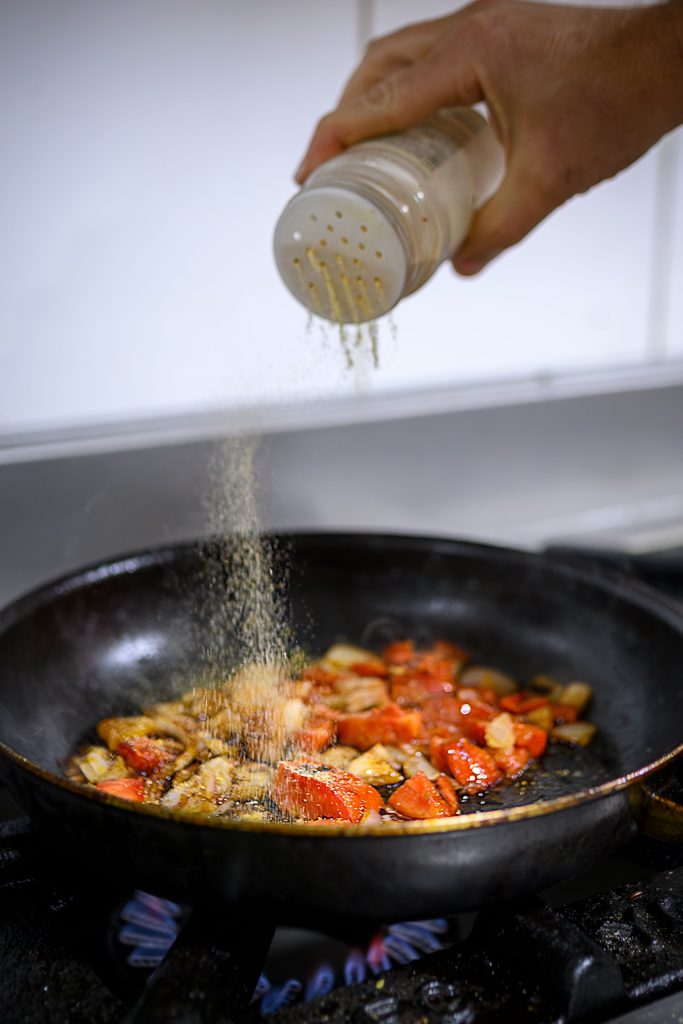
The fix: Taste, add a small pinch of salt, taste again. You’re not trying to make food taste salty ; you’re trying to make it taste like a more vivid version of itself. When that moment hits, you’ll know.
2. Skipping mise en place (a.k.a. not reading the recipe first)
We’ve all done it: you’re halfway through a recipe when it says “add the garlic and cook for 30 seconds,” and now you’re frantically peeling garlic while your onions scorch. Cooking becomes stressful when the recipe is racing ahead of you.
Professional kitchens run on mise en place, French for “everything in its place.” Before the heat ever comes on, they’ve read the whole recipe, chopped everything, and lined up their ingredients in little bowls. It sounds fussy. It is the single biggest stress-reducer I know.
The fix: Read the recipe all the way through before you start, twice for anything unfamiliar. Prep and measure everything first. Once the pan is hot, cooking should feel like assembly, not a scramble. This matters most in fast-moving, one-pan dishes like a [link to your French Onion Beef & Noodle Skillet], where the steps come quickly and there’s no time to go hunting for the beef broth.
3. Overcrowding the pan
This is the mistake that steals that gorgeous golden-brown crust you see in restaurant food. When you pack too much into a pan, all that food releases moisture at once, the temperature drops, and your ingredients end up steaming in their own liquid instead of searing. The result: gray, soggy, and sad, when it could have been crisp and caramelized.
That browning isn’t just about looks; it’s the Maillard reaction, the chemistry that creates hundreds of new flavor compounds. Crowding the pan literally leaves flavor on the table.
The fix: Give your food room to breathe; a little space around each piece. If that means cooking in two or three batches, do it. Those extra few minutes are the difference between crispy and limp. It’s especially crucial for anything you want genuinely crunchy, like the roasted potatoes: pile them up and “crispy” becomes “mushy.”
4. Not patting proteins dry before they hit the heat
Here’s a quiet one that trips up even experienced cooks. Surface moisture is the enemy of a good sear. If your chicken, steak, or salmon goes into the pan wet, that water has to boil off before browning can even begin and by the time it does, you’ve overcooked the inside.
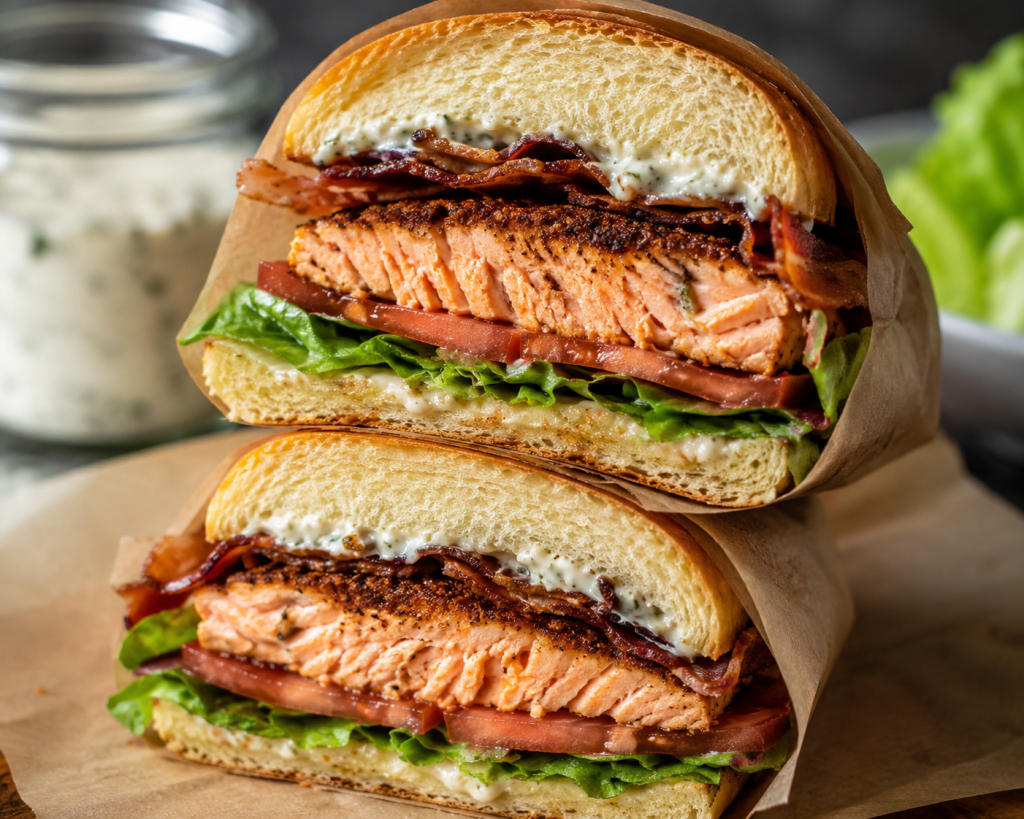
The fix: Pat proteins completely dry with a paper towel right before cooking, then season. A dry surface browns almost immediately. This is the secret behind a properly blackened piece of fish: you need that dry exterior for the spice crust to sear rather than steam, like in a Blackened Salmon BLT.
5. Starting with a cold pan (or the wrong heat entirely)
Adding food to a pan that hasn’t fully preheated is a recipe for sticking, uneven cooking, and that frustrating moment when your egg or fish fillet welds itself to the metal. On the flip side, cranking everything to high heat because you’re impatient will scorch the outside while the inside stays raw.
The fix: Let the pan heat up before the oil goes in, and let the oil shimmer before the food goes in. A good test: a drop of water should dance and evaporate quickly on a properly heated surface. And match the heat to the job; a hard sear wants high heat, but a gentle cream sauce wants low and slow so it doesn’t break.
6. Moving the food too much
I get it, flipping and fiddling feels like cooking. But every time you poke, prod, and flip food before it’s ready, you interrupt the crust that’s trying to form. Food naturally releases from the pan once it’s properly seared. If it’s stuck, it’s not done browning yet, it’s telling you to wait.
The fix: Put the food down and leave it alone. Set a timer if you have to. Flip proteins once, not five times. The patience pays off in color and flavor you simply can’t get by hovering.
7. Cooking meat straight from the fridge… and skipping the rest
Two mistakes bookend a good piece of meat. First, throwing a cold-from-the-fridge steak or chicken breast onto the heat means the outside overcooks long before the center catches up. Second, and this one hurts, slicing into meat the second it comes off the heat lets all those juices you worked for spill out onto the cutting board.
The fix: Let larger cuts sit out for 15 to 30 minutes before cooking so they cook more evenly. And once cooked, let meat rest before you cut it: five minutes for a chicken breast, longer for big roasts. Resting lets the juices redistribute so they stay in the meat where they belong. This is non-negotiable for something like my BBQ Brisket Loaded Cheese Fries recipe; cut a brisket too soon and you’ll watch all that flavor run right out.
8. Guessing at doneness instead of using a thermometer
So much anxiety in home cooking comes from a single question: is it done? We poke it, we cut into it (letting juices escape), we cross our fingers. Meanwhile, a $15 instant-read thermometer removes the guesswork entirely and has saved more dinners than any other tool in my kitchen.
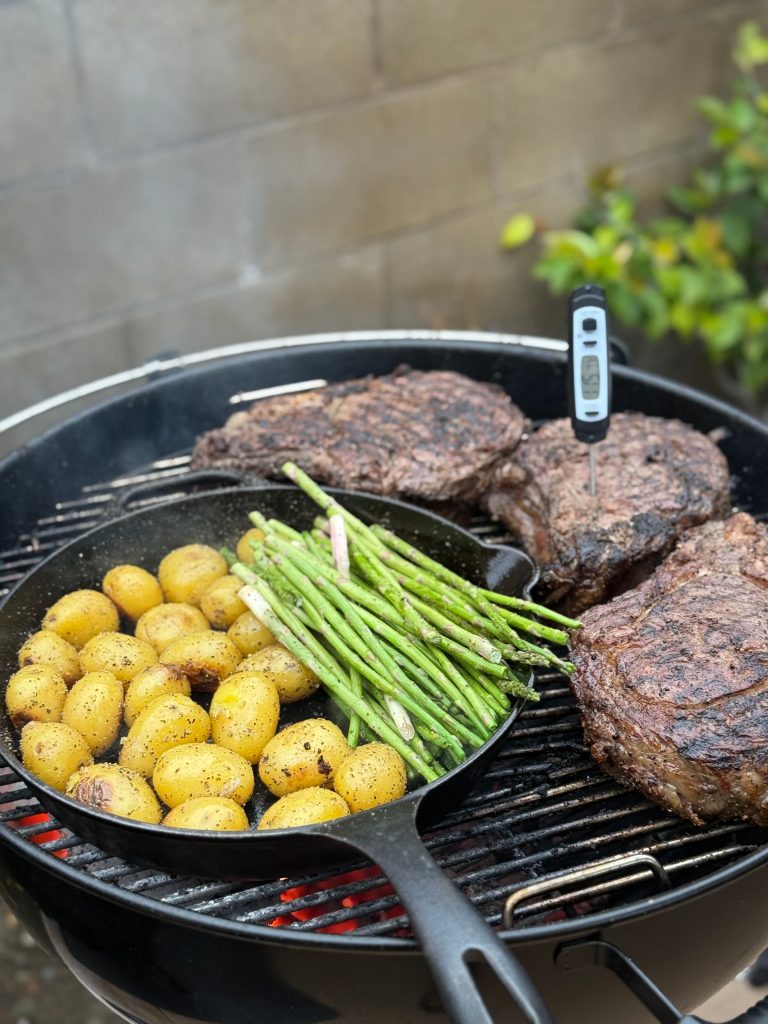
The fix: Cook to temperature, not to time. Recipe times are estimates; your specific stove, pan, and cut will vary. Learn a few key numbers: 165°F for chicken, around 145°F for salmon and pork, and your preferred range for beef. Pull proteins a few degrees early, since they keep cooking as they rest. It’s especially handy for uneven pieces on skewers, like [link to your Grilled Pineapple Chicken Skewers], where one chunk of chicken is always thicker than the next.
9. Burning your garlic and aromatics
Garlic goes from fragrant to bitter and acrid in about thirty seconds, and once it’s burnt, there’s no saving the dish; that harsh flavor spreads through everything. The usual culprit is adding garlic to the pan too early, at the same time as onions, when the real rule is that different aromatics have different timelines.
The fix: Onions and other hardy vegetables can take the heat first and cook longer. Add garlic, ginger, and other delicate aromatics later, usually the last 30 to 60 seconds before you add liquid, and keep them moving. If a recipe leans on garlic as a headline flavor, this timing is everything. Get it right and you’re rewarded with something like [link to your Creamy Tuscan Garlic Chicken with Parmesan Gnocchi]; get it wrong and the whole sauce turns bitter.
10. Not tasting as you go and forgetting about acid
You cannot fix what you never tasted. Waiting until the food is plated to take your first bite means any problem is now a problem on the plate, when it could have been solved with a quick adjustment in the pot. Tasting as you cook is the habit that separates people who follow recipes from people who actually cook.
And when something tastes rich but somehow dull, the answer is often not more salt; it’s acid. A squeeze of lemon, a splash of vinegar, a spoonful of the pickle brine from the jar in your fridge. Acid brightens and balances, cutting through richness and waking everything up.
The fix: Taste at every stage and ask two questions: does it need salt, and does it need brightness? Keep a lemon and a bottle of vinegar within reach. That final squeeze right before serving is often the little bit of magic a dish was missing.
The real secret
Notice that not one of these fixes is expensive or complicated. Cooking well isn’t about talent or a drawer full of gadgets; it’s about a handful of small, learnable habits that you build one dinner at a time. You will still make mistakes. I make them constantly, and I’ve been doing this a long time. The difference is that now I know why something went sideways, which means I know how to fix it next time. That’s the whole game.
Pick one habit from this list, just one, and focus on it this week. Maybe it’s tasting as you go, or finally letting your meat rest. Master that, then move to the next. Before long, these stop being rules you have to remember and start being instincts you don’t even think about. That’s the moment cooking gets fun!